
Do I Always Need to Change the
Solenoid Valve Coil?
The Short Answer is No!
Introduction: A Simple Question That Wastes a Lot of Money
In maintenance shops and on job sites, one question comes up all the time: “If I’m replacing a solenoid, do I also have to change the solenoid valve coil?”
The short answer is no—you don’t always need to change the coil when you replace or service a solenoid valve, and knowing when you can reuse it can save significant time and cost.
Understanding the Solenoid Valve and Solenoid Valve Coil
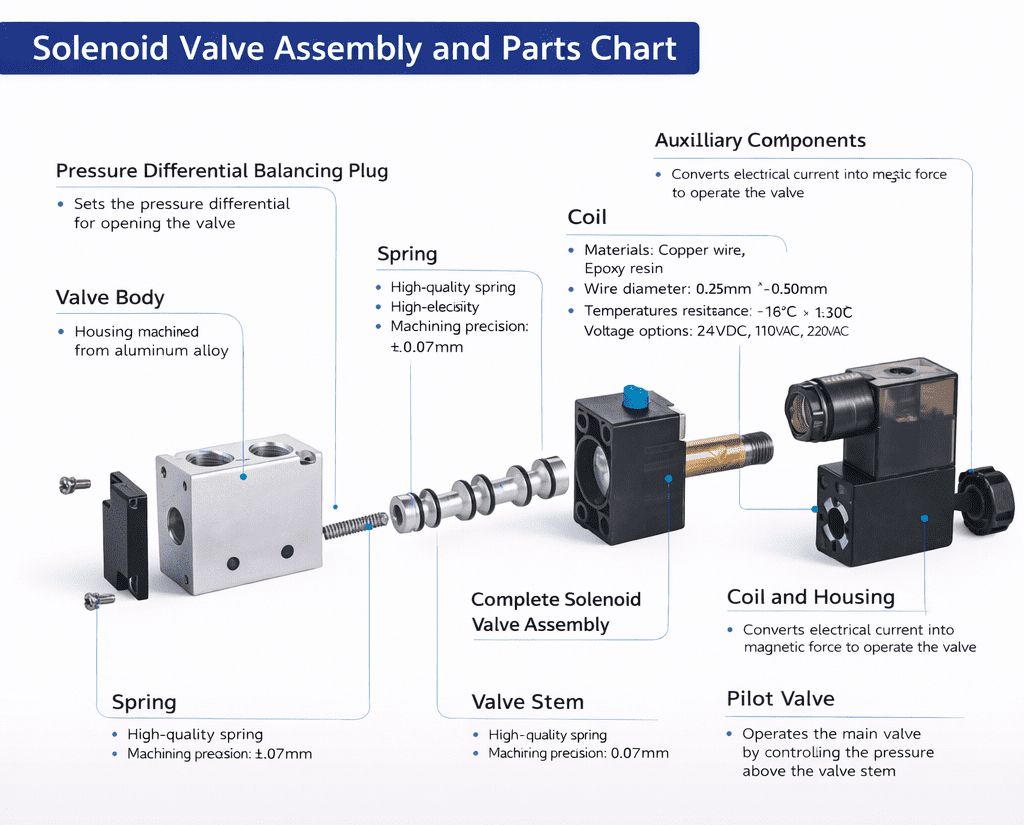
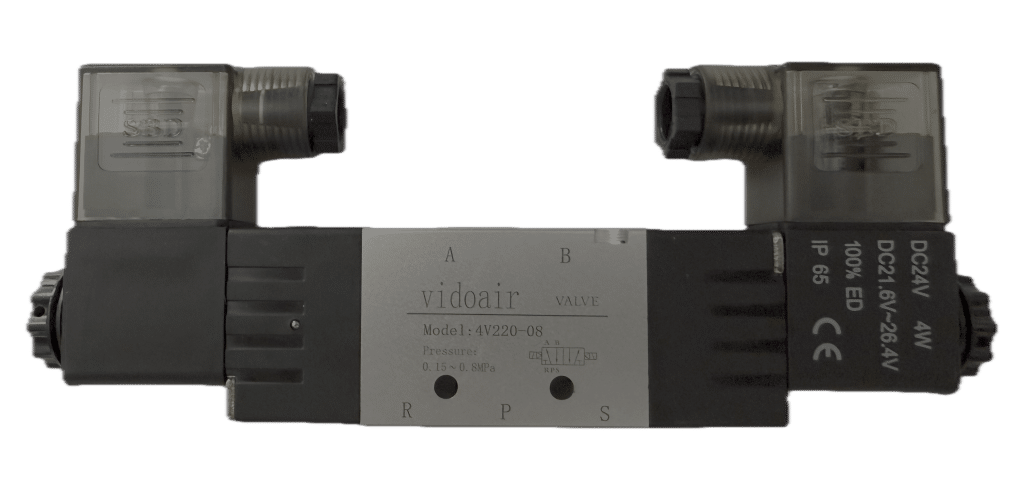
A solenoid valve has two main parts: the valve body (the mechanical, fluid-handling section) and the solenoid valve coil (the electrical part that creates the magnetic field to move the internal plunger).
When something fails, the key is to figure out whether the problem is mechanical, electrical, or both before you start throwing parts at it.
When You Can Replace Just the Coil
In many industrial and HVAC applications, the solenoid valve coil is the only component that has failed while the valve body is still in good condition.
Here are typical cases where replacing only the coil is appropriate:
- The coil is visibly burnt, cracked, or discolored, but the valve is not leaking or sticking.
- Electrical testing shows an open circuit or resistance way out of spec, but the valve operated mechanically fine before failure.
- The system is relatively clean, and the valve body shows no signs of corrosion, erosion, or physical damage.
In these scenarios, a like-for-like replacement solenoid valve coil (same voltage, wattage, size, connector, and protection rating) restores operation without touching the plumbing.
When You Should Replace the Entire Solenoid Valve
There are situations where only swapping the coil is a band-aid and not a real fix.
If you see any of the issues below, it’s usually smarter to replace the complete solenoid valve assembly, coil included:
The valve is leaking externally or passing when it should be tight shut.
The plunger is sticking, the valve is chattering, or you’ve had repeated nuisance failures.
There is heavy corrosion, scale, or contamination on the body, ports, or internals.
The valve is at or beyond its expected service life, and downtime is expensive.
In these cases, a new coil on a worn-out valve only delays the inevitable next failure.
Practical Decision Checklist
Before ordering parts, run through this quick checklist:
- Is the failure clearly electrical (burnt coil, failed continuity, damaged insulation)?
- Is the valve body clean, dry, and not leaking?
- Has this valve had multiple issues recently, or is this the first failure?
- What is the cost and downtime difference between coil-only vs. full valve replacement?
If the answers point to a single, isolated solenoid valve coil failure on an otherwise healthy valve, coil-only replacement is usually the most efficient option.
If the valve has a history of problems or obvious mechanical wear, replacing the entire solenoid valve is the more reliable long-term solution.
Safety and Specification Tips
Whether you replace just the coil or the complete valve, a few rules are non-negotiable:
Always isolate power and relieve system pressure before touching wiring or fittings.
Match coil voltage (AC vs DC and rating), power, size, connector type, and IP rating exactly.
Never energize a coil that is not mounted on the valve; it can overheat and fail quickly.
Follow the manufacturer’s installation instructions for torque and connector wiring.
Good diagnosis plus correct specification is what turns a quick fix into a lasting repair.
Conclusion: Diagnose First, Then Decide
You don’t automatically need to change the coil every time you work on a solenoid valve.
The smartest approach is to diagnose whether the fault is electrical, mechanical, or both, then choose coil-only or full valve replacement based on condition, cost, and reliability requirements.
Save Up To
30% OFF
Comparable Name Brands

Save Up To
35% OFF
Comparable Name Brands
Save Up To
40% OFF
Comparable Name Brands
Save Up To
50% OFF
Comparable Name Brands
Why Contractors Choose VidoAir
Durable Quality
Precision-engineered, durable in harsh environments

Energy Savings
Low power use, high flow; energy savings
1 Year Warranty
Strong coverage on robust components, same as big brands.

Complete Package
Reliable quality, superior service and discount pricing.
Technical Specs That Match The Big Brands like AirTac, ASCO (Emerson), SMC, Parker Hannifin, Festo, Bosch Rexrot
Stop Overpaying for Solenoid Valves
VidoAir solenoids excel in automation, robotics, refrigeration, and general industrial use where reliability meets budget constraints. Contractors gain reliable performance without premium costs, ideal for quick-turnaround MRO projects.
Same technical specifications. Why pay more?
Get Up To
50% OFF
Direct replacement for AirTac, Parker, Festo, and other brand solenoid valves
Professional quality at 30-50% cost savings
Price Match
Guarantee
Free Delivery On All Orders
Get Details
Perfect for Every Application

Real Project Savings
Enough to cover installation labor, or upgrade to premium components elsewhere in the system.
Simple, Transparent Ordering
EASY TERMS
50% deposit with order, balance when ready to ship. No hidden fees.
predictable timeline
10-15 days production + 25-35 days shipping = 35-50 days total.
PROFESSIONAL PACKAGING
Bulk export packaging ensures your valves arrive in perfect condition.
DDP to Continental US
Delivered with all duties and shipping included in price.
Call
(502) 228-8881
Address
11150 S Eastern Ave, #150 Henderson, NV 89052
as*@*****ir.com