JIS Pneumatic Standards Explained & Compared to ISO and NFPA
Understanding the JIS Pneumatic Standard
The Japanese Industrial Standards (JIS) define dimensional, performance, and safety requirements for pneumatic components used in industrial automation. These standards ensure interchangeability, reliability, and consistent performance across pneumatic cylinders, valves, fittings, and system components.
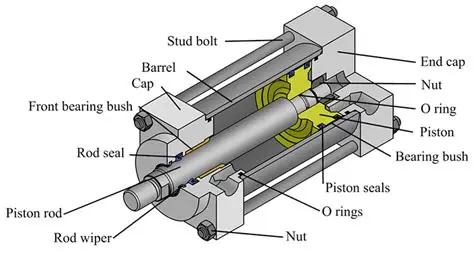
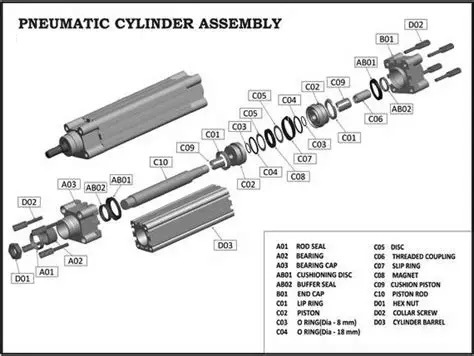
One of the most referenced standards in pneumatics is the JIS standard cylinder, which specifies cylinder dimensions, sealing structures, and performance expectations. For example, the VidoAir™ PB, MF, an ICQ Series are engineered to meet JIS standards, while SE, SI, SC, and MI are enginnered to ISO standards. Many of our other models are a hybrid which meets parts of both stadnards. The bottom line is that regardless of which standard that you want your pneumatic cylinders to meet, VidoAir™ can customize cylinders to any standard.
JIS standards also influence:
- Pneumatic cylinder bore sizes
- Rod diameters
- Mounting dimensions
- Pressure ratings
- Seal structures
- Environmental durability requirements
These standards ensure that pneumatic actuators and system components can be integrated into Japanese‑designed machinery or global equipment that follows JIS dimensional norms.
Why JIS Standards Matter in Pneumatic Automation
1. Global Interchangeability
JIS‑compliant cylinders and fittings ensure compatibility with Japanese and Asian‑market machinery.
2. Predictable Performance
JIS defines minimum performance thresholds, ensuring actuators deliver consistent thrust, stroke accuracy, and sealing reliability.
3. Safety & Environmental Requirements
Standards include guidelines for:
- Dust‑resistant operation
- Corrosion resistance
- High‑temperature performance
- Clean air requirements (e.g., filtration to 40 μm or below)
4. Long‑Term Maintainability
Because JIS dimensions are standardized, replacement cylinders, seals, and fittings remain available for decades.

Many of our VidoAir™ Pneumatic Products Align With JIS Pneumatic Standards
VidoAir™ Pneumatics manufactures precision‑engineered actuators, valves, fittings, and system components designed for high reliability and dimensional consistency. Many of our product line naturally aligns with the expectations set by JIS standards, even when not explicitly labeled as JIS cylinders while others align more closely with ISO pneumatic standards.
1. Precision‑Machined Actuators Built for Dimensional Stability
VidoAir™ linear actuators use precision‑machined aluminum or stainless steel bodies, engineered for tight tolerances and repeatable motion—key expectations of JIS‑style cylinders .
This includes:
- Stable stroke accuracy
- Low‑friction seals
- Rigid rod and bearing assemblies
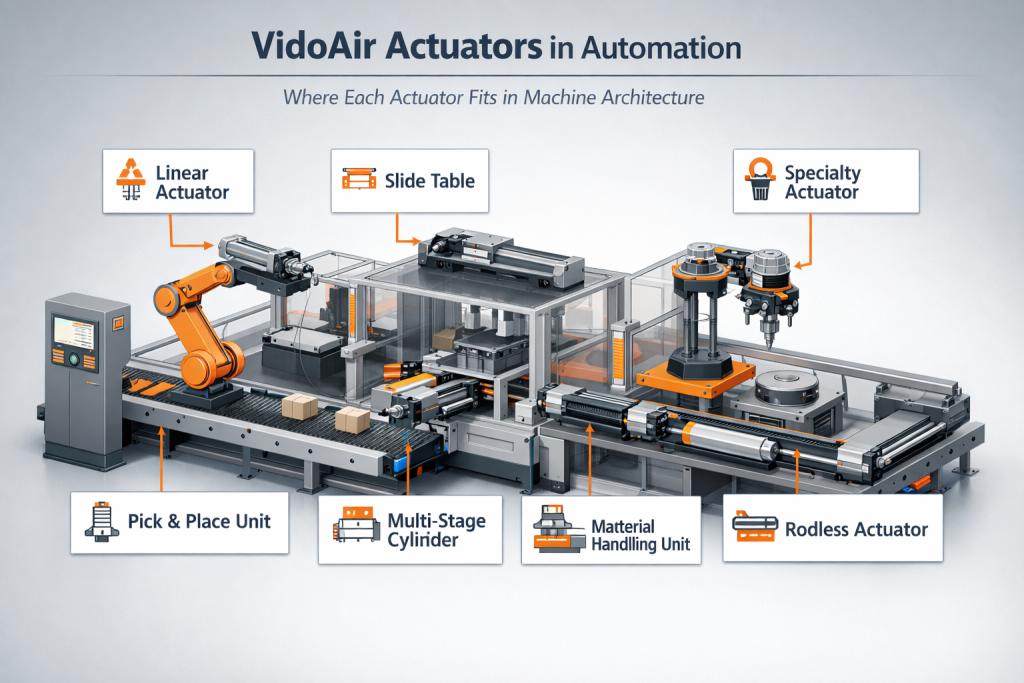
- Multiple mounting standards (ISO, NFPA, custom)
These characteristics align with JIS requirements for predictable performance and long service life.
2. Specialty Actuators for JIS‑Compatible Applications
VidoAir™ offers:
- Multi‑stage cylinders
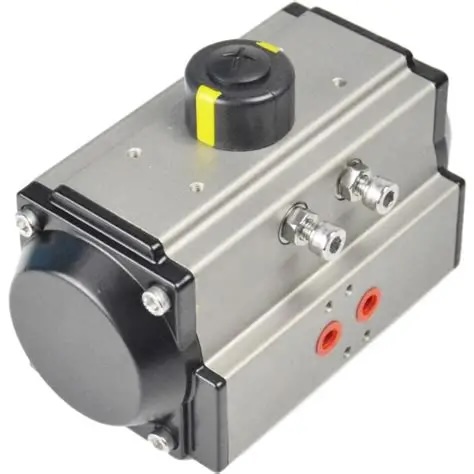
- Rodless actuators
- Compact cylinders
- Custom‑bore and custom‑stroke designs
These solutions support machine builders who need JIS‑compatible geometries or performance envelopes not available in catalog cylinders .
3. JIS‑Relevant Pneumatic System Components
VidoAir™ produces a full ecosystem of pneumatic components that complement JIS‑standard actuators, including:
- Solenoid valves
- Pressure regulators
- Speed controllers
- Fittings and tubing
- Quick exhaust valves
- Check valves
Their fittings, for example, include nickel‑plated bodies, O‑ring seals, and pre‑coated threads, all of which support the sealing and durability expectations found in JIS pneumatic systems .
4. Proven Industrial Performance
VidoAir™ components are used in demanding applications such as:
- Truck aerodynamic systems
- OEM chillers
- High‑efficiency misting systems
These real‑world deployments demonstrate reliability and performance consistent with JIS‑level engineering expectations.
Why Engineers Choose VidoAir™ for JIS‑Compatible Pneumatic Systems
✔ High repeatability and stable motion
Ideal for pick‑and‑place, indexing, packaging, and automation lines.
✔ Configurable and custom solutions
Perfect for replacing or upgrading JIS‑standard cylinders in legacy equipment.
✔ Full pneumatic ecosystem
From actuators to fittings, VidoAir™ provides a complete, JIS‑compatible system architecture.
✔ Industrial‑grade durability
Proven in trucking, refrigeration, and high‑duty manufacturing environments.
Conclusion: JIS Standards Set the Bar — VidoAir™ Meets and Exceeds It
The JIS pneumatic standards ensure reliability, safety, and interchangeability across pneumatic systems. VidoAir™ Pneumatics delivers actuators, valves, and fittings engineered with the same precision and performance expectations—making them an excellent choice for any system requiring JIS‑compatible components.
If you’re designing new automation equipment or upgrading machinery built around JIS standards, VidoAir™ provides the precision, durability, and engineering consistency you need.
How JIS Pneumatic Standards Compare to U.S. Standards (NFPA & ISO)
The essential difference is this: JIS is Japan’s national standard, while NFPA is the dominant U.S. standard for pneumatic cylinders, and ISO is the global standard used widely in the U.S. for interchangeability. Together, NFPA and ISO define most pneumatic expectations in North America.
⭐ 1. Purpose & Geographic Use
- JIS Pneumatics — Japanese Industrial Standards Used primarily in Japan and by Japanese OEMs. JIS and ISO share similar test methods for flow and performance, and JIS sometimes predicts valve performance more accurately than U.S. CV‑based methods.
- NFPA Pneumatics — National Fluid Power Association The dominant U.S. standard for pneumatic cylinder dimensions and mounting. NFPA cylinders are widely used in North America for easy interchangeability.
- ISO Pneumatics — International Organization for Standardization Global standard used heavily in the U.S. for interchangeability and cross‑brand compatibility. Common ISO cylinder standards include ISO 6431, ISO 6432, and ISO 15552.
⭐ 2. What Each Standard Defines
JIS Pneumatic Standards
- Valve flow characteristics (sonic conductance C, critical pressure ratio b)
- Cylinder performance expectations
- Test methods that correlate closely with real‑world cylinder drive speed
- Terminology differences from ISO, but nearly identical methodology
NFPA Standards
- Cylinder bore sizes
- Rod diameters
- Mounting dimensions
- Port threads
- Accessory dimensions
ISO Standards
- Global dimensional interchangeability
- Standard strokes, bore sizes, rod threads
- Mounting and port dimensions
- Broader customization options than NFPA
⭐ 3. Performance Measurement Differences
JIS & ISO
- Use sonic conductance (C) and critical pressure ratio (b) to measure valve flow.
- These metrics correlate directly with cylinder speed and real‑world performance.
- JIS methods often predict actual valve performance more accurately than U.S. CV‑based methods.
NFPA / ANSI (U.S.)
- Uses CV, a water‑flow‑based metric adapted for air.
- CV represents only one point on the flow curve and can misrepresent pneumatic behavior.
⭐ 4. Interchangeability & Machine Integration
ISO & NFPA (U.S.)
- Designed explicitly for interchangeability across brands.
- Make cylinder replacement fast and reduce downtime.
- Standardized interfaces simplify maintenance and inventory.
JIS
- Interchangeable within Japanese‑standard equipment.
- Less common in the U.S., but widely used in Japanese OEM machinery exported globally.
⭐ How This Relates to VidoAir™ Pneumatic Products
VidoAir™ products are designed to integrate seamlessly into ISO, NFPA, and JIS‑based systems while maintaining compatibility with JIS‑style performance expectations. In short, we do it all to meet pneumatic standards from all over the world.

JIS Standard Air Power Pneumatics
Related Articles
Pressure Switch Calibration for Reliable Control
Pressure switch calibration keeps compressors, pumps, and pneumatic systems within safe operating limits, reducing nuisance trips and production downtime.

Anti-Static PU Tubing for Semiconductor Manufacturing | Guide
Anti-Static PU Tubing for Semiconductor Manufacturing: What It Is and Why It Matters Semiconductor fabs run on cleanliness and control — not just of particles, but of static charge. A single electrostatic discharge (ESD) event can destroy a chip that took weeks to...
Why Use Stainless Steel Air Prep in Demanding Plants?
Why use stainless steel air prep? Learn where corrosion resistance, washdown durability, and air control justify the investment in pneumatic systems.