In the world of industrial automation, selecting the right component is critical for achieving peak performance and efficiency. If you find yourself navigating the complex differences between pneumatic, electric, and hydraulic systems-or deciphering technical terms like ‘single-acting’ vs. ‘double-acting’-you are not alone. At the heart of countless powerful and reliable systems is the pneumatic actuator, a true workhorse of modern manufacturing. Gaining a deep understanding of this device is the first step toward mastering any automation challenge.
This comprehensive guide is meticulously engineered to provide that clarity. We will break down the core principles of how compressed air is transformed into precise mechanical motion, explore the essential components that make it possible, and compare the key actuator types available. By the end, you will not only grasp how these robust devices function but also have the foundational knowledge to confidently select the right high-performance solution for your specific application. Let’s power your success.
Key Takeaways
- Understand the core principle of how compressed air is converted into powerful, reliable mechanical motion for industrial automation.
- Identify the primary types of actuators and their ideal applications to ensure you select the most efficient solution for any task.
- Discover the key business advantages of pneumatic systems, including superior cost-efficiency, robust performance, and operational safety.
- Learn the essential criteria for correctly sizing and selecting a pneumatic actuator to maximize the performance and longevity of your equipment.
Core Principle: How Pneumatic Actuators Convert Compressed Air into Motion
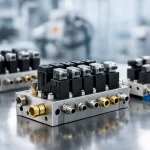
At its core, a pneumatic actuator is a meticulously engineered device that harnesses the potential energy of compressed air and converts it into mechanical work, typically linear or rotary motion. This process is driven by a simple yet powerful principle: pressure differential. By introducing high-pressure air to one side of an internal piston or diaphragm while the other side is at a lower pressure, a net force is generated, compelling the mechanism to move. This robust and cost-effective design, detailed in resources like Wikipedia’s entry on the Pneumatic actuator, offers a distinct advantage in simplicity and reliability over more complex electric or hydraulic systems. The precision of this movement is governed by control valves, which expertly direct the flow of compressed air into and out of the actuator’s chambers. Understanding how this airflow is managed is key to selecting the right component, as the two primary types of actuators operate on distinct principles.
The Single-Acting Actuator (Spring-Return)
Operating on a streamlined “power-in, spring-out” principle, the single-acting actuator uses compressed air supplied to one port to drive its power stroke. When the air is vented, a robust internal spring provides the force for the return stroke. This design is inherently efficient and provides a critical fail-safe capability, making it a premier choice where a default position is required upon power loss.
- Ideal for: Fail-safe applications like clamping, positioning, and emergency valve control.
- Key Benefits: Lower air consumption and a predictable return-to-home position.
The Double-Acting Actuator
The double-acting actuator is the workhorse of industrial automation, engineered for powered, controlled movement in both directions. It features two air ports-one for the extend stroke and one for the retract stroke. By precisely directing compressed air to these ports, operators gain complete command over the actuator’s speed and force throughout its entire cycle, making it indispensable for complex, high-performance tasks.
- Ideal for: High-precision tasks like material handling, robotics, and automated assembly.
- Key Benefits: Total control over speed and force for both strokes.
Key Types of Pneumatic Actuators and Their Applications
In the world of industrial automation, pneumatic actuators are categorized primarily by the type of motion they produce. The fundamental choice between linear and rotary motion is entirely dictated by the specific requirements of the task at hand. Understanding this distinction is the first step in engineering a high-performance, efficient system. A linear actuator extends a rod in a straight line to push a load, while a rotary actuator turns a shaft to operate a valve. VidoAir™ provides a vast, factory-direct inventory of both types, ensuring a precision-engineered solution for any application.
Linear Actuators: For Pushing, Pulling, and Lifting
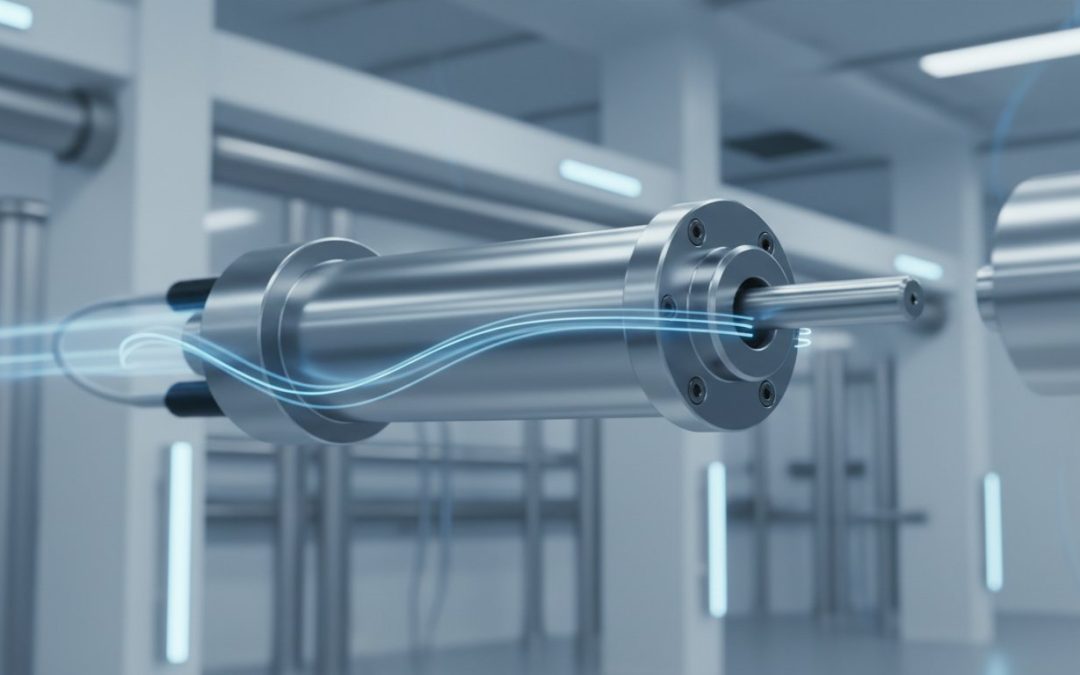
A linear pneumatic actuator converts compressed air energy into straight-line motion. These robust components are the workhorses of automation, designed for force-intensive tasks that require reliable, repeatable movement. Their simple yet powerful design makes them ideal for a wide range of industrial processes.
- Common Examples: Tie-rod cylinders, compact cylinders, and rodless actuators.
- Primary Applications: Pushing components into place on an assembly line, clamping workpieces for machining, lifting products for sorting, and operating industrial gates and doors.
Rotary Actuators: For Turning, Rotating, and Mixing
Rotary actuators are meticulously engineered to transform the linear force generated by compressed air into rotational or oscillating motion. They provide controlled torque for tasks that require precise turning or positioning. This makes them indispensable for controlling the flow of materials and for sophisticated, multi-axis movements.
- Common Designs: Rack-and-pinion and vane-type actuators.
- Primary Applications: Automated valve operation in process control, indexing tables for manufacturing, and creating wrist-like motions in robotic arms.
Specialty Actuators: Grippers and End-of-Arm Tooling
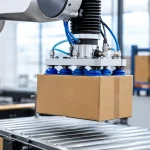
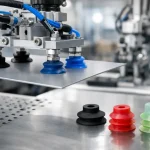
Beyond simple linear and rotary motion, specialty actuators are designed for specific, often delicate, manipulation tasks. Grippers, a key form of end-of-arm tooling (EOAT), are essential for robotic applications that involve picking, placing, and handling objects. VidoAir™ is at the forefront of this technology with innovative solutions like our ‘Soft Fingers’ grippers, which redefine how robots can safely interact with objects of varying shapes and fragility.
The Anatomy of a Pneumatic Actuator: Critical Components Explained
The reliability and power of any pneumatic system are rooted in the precision engineering of its core components. A high-performance pneumatic actuator is more than just a simple device; it is a meticulously engineered assembly where each part plays a critical role. Understanding this anatomy reveals how material selection and superior design translate directly into operational efficiency, durability, and a longer service life for your automation applications.
The Powerhouse: Cylinder, Piston, and Piston Rod
At the heart of linear motion are the components that contain and convert compressed air into mechanical force. The synergy between these parts defines the actuator’s fundamental strength and performance capabilities.
- Cylinder Barrel: This is the robust outer housing that contains the pressurized air. Typically crafted from hard-anodized aluminum for excellent corrosion resistance and a smooth internal finish, or stainless steel for harsh environments, the barrel’s integrity is paramount for preventing leaks and ensuring consistent pressure.
- Piston: A disc-shaped component that moves longitudinally within the cylinder barrel. When compressed air is introduced on one side, it forces the piston to move, creating the actuating motion. The piston is often made from aluminum or steel and is fitted with seals to create a pressure-tight barrier.
- Piston Rod: This hardened, chrome-plated, or stainless steel shaft is connected to the piston. It extends and retracts from the cylinder, transmitting the linear force generated by the piston to the external load or tooling. The rod’s surface finish and straightness are critical for seal life and smooth operation.
Ensuring Performance: Seals, Cushioning, and End Caps
While the powerhouse components generate force, this next group of parts ensures that the force is controlled, efficient, and sustainable over millions of cycles. These elements are crucial for maximizing the actuator’s lifespan and protecting both the device and the machinery it operates.
- Piston & Rod Seals: Made from durable materials like polyurethane or nitrile rubber, these seals are essential for preventing internal and external air leakage. Effective sealing ensures that maximum air pressure is converted into work, optimizing the efficiency of the entire pneumatic actuator.
- End Caps: These components, typically machined from aluminum, seal both ends of the cylinder barrel. They provide structural integrity and house the air connection ports. The rod-end cap also contains the rod seal and a wiper to protect internal components from external contaminants.
- Cushioning: To prevent damage from the piston impacting the end caps at high speeds, many actuators incorporate cushioning. This can be a fixed rubber buffer or an adjustable pneumatic cushion that traps a small amount of air at the end of the stroke, decelerating the piston smoothly and significantly reducing noise and vibration.
Why Choose Pneumatic? Key Advantages in Industrial Automation
In an era of complex automation, the decision between pneumatic, electric, and hydraulic systems is critical. While each technology has its place, pneumatic systems consistently deliver a powerful combination of performance, reliability, and value that makes them an indispensable tool for engineers. The advantages are not merely technical; they translate directly into tangible business benefits, including lower total cost of ownership, maximized operational uptime, and enhanced workplace safety.
Cost-Effectiveness and Simplicity
One of the most compelling arguments for pneumatic power is its economic efficiency. The initial acquisition cost of pneumatic components is often significantly lower than that of their electric counterparts, which require expensive servo motors, drives, and controllers. This simplicity extends to the design of a pneumatic actuator itself; with fewer moving parts, these devices are exceptionally reliable, demanding minimal maintenance and reducing costly downtime. Because compressed air is a common utility in most industrial facilities, integration is straightforward and cost-effective.
High Speed, High Force, and Durability
Pneumatic actuators are engineered for high-performance applications where speed and power are paramount. They offer a superior power-to-weight ratio, generating substantial force from a compact and lightweight unit. This makes them ideal for dynamic, repetitive tasks in demanding production environments. Key performance advantages include:
- Exceptional Speed: Capable of achieving very high velocities and cycle rates that often exceed those of comparable electric systems.
- Significant Force: Delivers high force output for pressing, clamping, and positioning applications without the bulk of hydraulic systems.
- Robust Construction: Meticulously engineered for long service life, pneumatic components excel in harsh conditions involving vibration, dust, and temperature fluctuations.
Safety and Cleanliness
Beyond performance, pneumatic systems offer inherent safety features that are critical in sensitive environments. Since they run on compressed air, there is no risk of sparks from electric motors, making them the default choice for hazardous or explosive atmospheres. Unlike hydraulic systems, there is no potential for oil leaks, which is essential for maintaining sterile conditions in industries like food and beverage, pharmaceuticals, and electronics manufacturing. Furthermore, a pneumatic actuator can stall under a load without incurring damage, a resilience that prevents component burnout and enhances system longevity.
This unique blend of attributes ensures that pneumatic technology remains a cornerstone of efficient and reliable automation. For high-performance solutions tailored to your application, explore the meticulously engineered components available at vidoair.com.
How to Select the Right Pneumatic Actuator: Key Criteria
Transitioning from theory to application, selecting the correct pneumatic actuator is a critical engineering decision that directly impacts system performance, efficiency, and operational longevity. A meticulously specified actuator performs reliably, while an improperly sized one can lead to premature failure and costly downtime. This framework outlines the core criteria for specifying a high-performance actuator for your next automation project.
Calculating Force, Stroke, and Speed Requirements
The primary function of an actuator is to produce motion. Defining the precise parameters of this motion is the first step in the selection process. These three variables are fundamentally interconnected and dictate the actuator’s size and capabilities.
- Force: Calculate the total load the actuator must move, accounting for friction and any opposing forces. This push/pull capability is determined by the available air pressure and the actuator’s piston area. For example, a larger bore size is required to generate higher force at the same pressure.
- Stroke Length: This is the linear distance the piston rod must travel to complete its task, from its fully retracted to its fully extended position. Precision here is key to ensuring the work is performed correctly and efficiently.
- Speed: Determine how quickly the stroke must be completed. Actuator speed is a function of how fast compressed air can be supplied and exhausted, a factor often managed with flow control valves and appropriately sized tubing.
Considering the Operating Environment
The physical environment where the actuator will operate is just as important as its mechanical requirements. Neglecting these factors can severely compromise the component’s lifespan and reliability. A robust design must account for ambient conditions.
- Temperature: Extreme high or low temperatures can cause standard seals to become brittle or degrade, leading to leaks. Specify actuators with materials rated for your specific temperature range, such as Viton seals for high-heat applications.
- Contaminants: Operations with dust, moisture, or corrosive chemicals demand specialized protection. Consider features like rod scrapers, bellows, or actuators constructed from corrosion-resistant materials like stainless steel to ensure durability.
- Space Constraints: The physical footprint available for the actuator often dictates the model and mounting style. Compact or short-stroke cylinders are ideal for tight spaces, while various mounting options (flange, clevis, trunnion) provide design flexibility.
While these guidelines provide a solid foundation, every application has unique challenges. For custom configurations or complex systems requiring perceptive engineering, partnering with an expert ensures optimal component selection and integration. Contact VidoAir’s experts for a quote on your application.
Powering Your Success with Precision Pneumatics
In essence, the pneumatic actuator is a marvel of engineering, elegantly converting the potential energy of compressed air into powerful, controlled motion. We’ve explored their fundamental workings, diverse types, and the critical components that ensure their reliable operation. Recognizing their key advantages-from cost-effectiveness and durability to inherent safety in hazardous environments-clarifies why they remain a cornerstone of industrial automation. The final, most crucial step is applying this knowledge to select the perfect pneumatic actuator for your specific application’s demands.
When you’re ready to translate theory into high-performance reality, VidoAir™ is your definitive source. We are committed to powering your success with meticulously engineered solutions that deliver on every promise. Benefit from our factory-direct pricing for unmatched value, leverage our ability to provide custom-configured solutions for your exact needs, and trust in our durable, high-performance components engineered for unwavering reliability. Take the next step in optimizing your automation systems. Explore VidoAir’s high-performance pneumatic actuators. and build with confidence.
Frequently Asked Questions About Pneumatic Actuators
What is the main difference between a pneumatic and a hydraulic actuator?
The fundamental difference lies in the power medium. Pneumatic actuators utilize compressed air-a clean, readily available, and compressible gas-making them ideal for high-speed, repetitive tasks in automation and manufacturing. Hydraulic actuators use incompressible fluids like oil to generate immense force, suiting them for heavy-duty applications such as construction equipment. While hydraulics offer superior power density, pneumatics provide a simpler, more cost-effective, and cleaner solution for a vast range of industrial operations.
How much force can a pneumatic actuator generate?
The force output of a pneumatic actuator is a direct function of the system’s air pressure and the cylinder’s bore size (Force = Pressure × Piston Area). For example, a small actuator with a 1-inch bore at 100 PSI can produce around 78 pounds of force, while a large 10-inch bore model can generate over 7,800 pounds. VidoAir™ offers a meticulously engineered range of actuators to meet precise force specifications, ensuring optimal performance for any application.
What is the typical operating pressure for a pneumatic system?
Most standard industrial pneumatic systems operate within a pressure range of 80 to 120 PSI (pounds per square inch), or approximately 5.5 to 8.3 bar. This range is efficiently generated by standard industrial air compressors and provides a robust balance of force, speed, and energy consumption for the majority of automation tasks. Our components are designed for maximum reliability and performance within these typical operating pressures, ensuring seamless integration into existing factory air systems.
How long do pneumatic actuators last and what maintenance do they require?
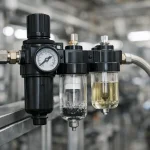
High-performance pneumatic actuators are engineered for exceptional durability, often rated for millions of cycles. Lifespan is heavily influenced by operating conditions, load, and air quality. Maintenance is straightforward and primarily preventative: ensuring a clean, dry air supply via filters and dryers is critical to prevent internal wear. Periodic inspection of seals and lubrication (for non-lube-for-life models) will significantly extend the actuator’s service life, guaranteeing long-term operational reliability and minimizing downtime.
Can you precisely control the speed and position of a pneumatic actuator?
Yes, precise control is achievable with the right system components. Actuator speed is effectively managed using flow control valves, which regulate the rate of air entering or exiting the cylinder. For precise positioning, advanced systems incorporate proportional pressure regulators, servo-pneumatic valves, and feedback devices like linear encoders. These sophisticated configurations enable a pneumatic actuator to stop accurately at multiple points along its stroke, making it a versatile solution for complex automation and robotic applications.
What does ‘bore size’ mean in relation to a pneumatic actuator?
The ‘bore size’ refers to the internal diameter of the actuator’s cylinder. This is one of the most critical specifications, as it directly determines the surface area of the piston upon which compressed air acts. A larger bore size results in a greater surface area, which in turn generates a higher output force at a given pressure. Selecting the correct bore size is fundamental to matching the actuator’s capability to the specific force requirements of your application.