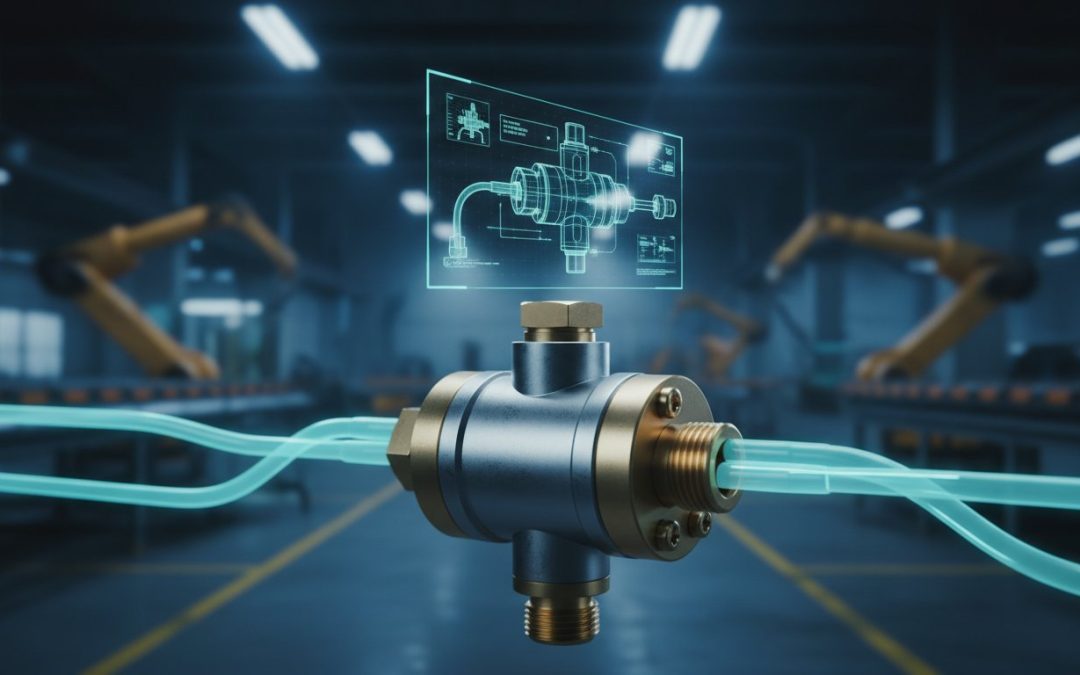
In the world of industrial automation, precision and reliability are non-negotiable. The success of a high-performance system often hinges on a single, meticulously engineered component: the pneumatic solenoid valve. Yet, navigating the selection process can be a formidable challenge. Faced with a landscape of technical jargon like Cv ratings, NPT sizing, and NC/NO configurations, engineers often risk specifying the wrong part, leading to costly system downtime and compatibility issues that impede progress.
This ultimate engineer’s guide is engineered to eliminate that uncertainty and empower your decision-making. We provide a comprehensive breakdown of the core principles, distinct types, and critical selection criteria for these essential devices. You will gain a clear understanding of key specifications and how they directly impact performance, enabling you to move beyond confusion and toward confident, data-driven choices. The goal is to equip you with the technical proficiency to not only select the correct valve but to optimize your entire automation system for maximum efficiency and output, truly POWERING SUCCESS.
Key Takeaways
- Understand how a valve’s function, actuation, and default state combine to determine its precise role in an automated system.
- Follow a proven 4-step selection process to specify the correct pneumatic solenoid valve, preventing system failures and maximizing operational efficiency.
- Discover the diverse industrial applications where these valves are critical components, from manufacturing and robotics to packaging and processing.
- Learn how a factory-direct sourcing model can provide access to high-performance components while optimizing project costs and lead times.
What is a Pneumatic Solenoid Valve and How Does It Work?
At the heart of modern industrial automation, a pneumatic solenoid valve is a robust electromechanical device engineered for precision and speed. Its core function is to control the flow, direction, and pressure of compressed air or gas within a pneumatic system. Unlike manually operated or mechanically actuated valves that require physical intervention, these high-performance components respond instantly to electrical signals, enabling the rapid and reliable actuation of cylinders, grippers, and other pneumatic equipment. This capability is essential for creating the efficient, automated processes that power success in today’s demanding production environments.
Core Components Breakdown
Understanding how a pneumatic solenoid valve operates begins with its meticulously engineered components. Each part plays a critical role in delivering reliable performance:
- The Solenoid Coil: An electromagnet consisting of a tightly wound copper wire. When energized with an electrical current, it generates a controlled magnetic field.
- The Plunger (or Armature): A movable ferromagnetic core positioned inside the coil. The magnetic field acts upon this plunger, causing it to shift position.
- The Valve Body and Orifice: The robust housing that contains the internal components and channels the airflow. The orifice is the primary opening that the plunger blocks or uncovers to control the flow.
- The Spring and Seals: A return spring holds the plunger in a default position when the coil is de-energized. High-quality seals prevent air from leaking, ensuring system integrity and efficiency.
The Working Principle: From Signal to Action
The operation is a seamless conversion of an electrical signal into physical motion. In its de-energized state, a “Normally Closed” valve uses the spring to press the plunger against the orifice, effectively blocking airflow. The system remains static and secure.
When an electrical current is applied to the coil, it creates a powerful magnetic field that overcomes the spring’s force, pulling the plunger away from the orifice. This electromechanical conversion is the foundational principle of any Solenoid valve, allowing for precise digital control. This simple movement instantly opens a path for compressed air to flow through the valve body to its intended destination, actuating a connected component. In essence, the valve acts as a digitally controlled gate, opening and closing on command with exceptional speed and repeatability to direct the power of compressed air.
Key Types of Pneumatic Solenoid Valves Explained
To effectively troubleshoot and specify a pneumatic solenoid valve, it is crucial to understand its fundamental design. Valves are primarily classified by three criteria: function (ways and positions), actuation method, and default state (Normally Open or Normally Closed). These characteristics combine to define the valve’s precise behavior within an automated system, directly impacting performance, efficiency, and safety. Selecting the correct configuration is the first step in engineering a robust and reliable pneumatic circuit.
Classification by Function: Ways and Positions
The “way” count refers to the number of ports a valve has for air to pass through, while “positions” refers to the number of distinct states the valve can be in. This determines how it directs airflow to control a component.
- 2-Way Valves: The simplest configuration, featuring one inlet and one outlet port. They function as on/off switches, either permitting or blocking airflow.
- 3-Way Valves: Built with three ports (inlet, outlet, exhaust), these are typically used to control single-acting cylinders, allowing them to extend and then retract by venting the air.
- 5-Way Valves: The standard for controlling double-acting cylinders. They have five ports (one inlet, two outlets, two exhausts) and typically two positions, enabling them to both extend and retract a cylinder by pressurizing opposite sides.
Classification by Actuation Method
Actuation describes how the internal solenoid coil initiates valve switching. The method dictates the valve’s response time and its capacity to handle system pressure and flow rates.
- Direct-Acting: The solenoid plunger directly opens and closes the main valve orifice. This design provides a very fast response time but is best suited for lower flow rates and pressures due to the force limitations of the solenoid.
- Pilot-Operated: The solenoid opens a small pilot channel, which uses the system’s own line pressure to actuate the main valve seal. This intelligent design allows a small solenoid to control significantly higher flow rates and pressures, making it ideal for more demanding applications.
Classification by Default State: NC vs. NO
A valve’s default state determines its condition when the solenoid is de-energized (no electrical power). This is a critical safety consideration for establishing a predictable fail-safe state in your system.
- Normally Closed (NC): In its resting state, the valve is closed and blocks airflow. Power must be applied to the solenoid to open the valve and allow air to pass. This is the most common configuration.
- Normally Open (NO): The valve is open in its resting state, allowing air to flow freely. Applying power to the solenoid closes the valve and stops the flow.
How to Select the Right Solenoid Valve: A 4-Step Guide
Selecting the correct pneumatic solenoid valve is the foundation of a reliable and efficient automation system. Choosing the wrong component can lead to poor performance, increased energy consumption, and premature failure. This practical 4-step guide serves as a checklist for engineers and buyers to ensure every critical specification is met, powering success from the start.
Step 1: Define Media, Pressure, and Temperature
The first step is to define the operational parameters of your system. These three core factors directly influence the valve’s material construction and longevity. Mismatching these specifications is a common cause of valve failure.
- Media Compatibility: Ensure the valve body and seal materials are compatible with the fluid being controlled. For most pneumatic applications, this will be compressed air, but it could also include inert gases or a vacuum.
- Operating Pressure: Specify the minimum and maximum pressure (measured in PSI or Bar) the valve will experience. The valve must be rated to handle the full pressure range of your system to function correctly and safely.
- Temperature Range: Consider both the ambient temperature of the operating environment and the temperature of the media. This is critical for selecting the right seal material (e.g., NBR for standard applications, FKM/Viton for higher temperatures).
Step 2: Calculate Required Flow Rate (Cv)
The Flow Coefficient, or Cv, is a critical value that measures a valve’s capacity to allow fluid to flow through it. An undersized valve with a low Cv will act as a bottleneck, restricting airflow and slowing down the speed and power of actuators like pneumatic cylinders. Properly calculating the required Cv ensures your components operate at their intended speed and efficiency, maximizing system output.
Step 3: Specify Port Size and Electrical Requirements
With the physical and performance parameters defined, you must match the valve to your system’s existing infrastructure. Meticulous attention to these details prevents installation delays and ensures seamless integration with your control architecture.
- Port and Thread Type: Identify the required port size and thread standard to connect the valve to your tubing or manifold. Common standards include NPT (National Pipe Thread), BSPT (British Standard Pipe Taper), and G (BSPP) threads.
- Voltage: Select the correct coil voltage to match your control system’s power supply, such as 24V DC for modern PLC systems or 120V AC for other industrial controls.
- Electrical Connection: Determine the necessary termination type, whether it’s a standard DIN connector, flying wire leads, or a specific plug-in style for a manifold.
Step 4: Assess Environmental and Duty Cycle Needs
Finally, consider where and how the valve will be used. A valve operating in a clean, dry control cabinet has vastly different requirements than one on a machine exposed to washdowns or hazardous materials.
- Ingress Protection (IP) Rating: Determine if the valve needs protection against solid particles (dust) and liquids (moisture). A higher IP rating, like IP65, indicates a dust-tight and water-jet-resistant enclosure.
- Duty Cycle: Specify if the valve will be continuously energized (100% duty cycle) or used intermittently. This affects coil selection to prevent overheating.
- Hazardous Locations: If the valve will operate in an environment with flammable gases or dust, it must have the appropriate explosion-proof or intrinsically safe certifications.
Navigating these specifications ensures you select a high-performance valve that meets the demands of your application. For complex systems or specialized requirements, our dedicated team is ready to assist. Contact our technical experts for selection assistance.
Common Industrial Applications and Use Cases
While the internal workings of a pneumatic solenoid valve are complex, its function is simple: to provide precise, high-speed control over compressed air. This capability makes it an indispensable component in nearly every automated industry. Understanding where and how these valves are used can provide critical context when diagnosing issues, helping you connect a symptom to a specific machine action. Their robust performance and rapid response times are the bedrock of modern industrial efficiency.
Manufacturing and Assembly Automation
On the factory floor, speed and repeatability are paramount. Solenoid valves are the nerve center of automated assembly lines, translating electrical signals into powerful physical motion. Their reliability ensures that high-volume production runs with minimal downtime.
- Actuator Control: They direct airflow to pneumatic cylinders for clamping, pressing, and positioning parts with exacting precision.
- Product Sorting: Valves actuate diverter gates on conveyor systems, instantly routing products to different lines based on sensor inputs.
- Pneumatic Tool Operation: In automated work cells, they power pneumatic screwdrivers, riveters, and other tools, ensuring consistent torque and force application.
Robotics and End-of-Arm Tooling (EOAT)
For a robot to interact with its environment, it needs sophisticated End-of-Arm Tooling (EOAT). Pneumatic solenoid valves provide the compact, lightweight, and powerful control required for these mission-critical tools, enabling robots to perform delicate and demanding tasks.
- Gripper Actuation: They operate pneumatic grippers for high-speed pick-and-place operations, handling everything from rugged castings to fragile electronics.
- Vacuum Control: Valves control vacuum generators and venturi ejectors, allowing robotic arms to use suction cups for lifting flat or irregularly shaped objects.
- Automated Tool Changers: They enable the rapid and secure locking and unlocking of tool changers, allowing a single robot to perform multiple different tasks in a work cycle.
Process Control Systems
In large-scale process industries, a pneumatic solenoid valve often serves as a pilot controller, using a small amount of energy to direct the power of a much larger system. This efficiency and control are vital in environments from food processing to chemical manufacturing.
- Pilot Operation: They act as the trigger for large process valves (like ball or butterfly valves) that control the flow of liquids, gases, and bulk materials.
- Drying and Blow-Off: Solenoid valves deliver precisely timed bursts of compressed air to remove debris, dry parts after washing, or reject defective products from a line.
- Packaging and Filling: In the food and beverage industry, they provide the sanitary, high-speed control needed for bottle filling, capping, sealing, and labeling machinery.
From a single component to a fully integrated system, understanding these applications is the first step toward effective troubleshooting and optimization. VidoAir™ delivers the meticulously engineered pneumatic solutions required to power success across every one of these use cases. Explore our full range of high-performance components at vidoair.com.
The VidoAir Advantage: Factory-Direct Performance
While troubleshooting is a critical skill for maintaining any automation system, the most effective long-term strategy is to prevent failures before they happen. This begins with selecting components built for durability and performance. At VidoAir™, we believe that operational excellence is achieved through superior engineering, which is why every pneumatic solenoid valve we produce is designed to be a benchmark of reliability.
When you partner with VidoAir™, you’re not just buying a component; you’re investing in a solution engineered to minimize downtime and maximize productivity. We call this the VidoAir™ Advantage.
Precision Engineering for Maximum Reliability
The root cause of many valve failures can be traced back to material quality and manufacturing tolerances. We eliminate these variables through a relentless commitment to precision. Our valves feature:
- High-Grade Materials: Robust, anodized aluminum bodies and premium NBR or Viton seals resist corrosion and wear in demanding industrial environments.
- Rigorous Testing: Every valve design undergoes stringent testing for leak rates and is rated for millions of cycles, ensuring a long and predictable service life.
- Robust Construction: Meticulously engineered internal components and powerful coils deliver consistent, rapid actuation you can depend on, cycle after cycle.
Unmatched Value Through the Factory-Direct Model
Performance shouldn’t come at a prohibitive price. Our factory-direct model streamlines the supply chain, removing costly intermediaries to deliver exceptional value directly to you. This approach gives you direct access to a vast inventory of ready-to-ship solutions, ensuring you get the right part quickly. When you have a technical question about a specific pneumatic solenoid valve or application, you communicate directly with our product experts, not a sales agent. This guarantees you receive accurate, actionable information every time.
Dedicated Support for Your Application
Choosing the right component is crucial for system efficiency and longevity. Our in-house team of pneumatic specialists is dedicated to your success, offering expert assistance in valve selection and sizing to ensure a perfect match for your requirements. For unique challenges, we provide custom-configured and made-to-order components, delivering a tailored solution without the custom price tag. Empower your next project with components built for performance and backed by experts.
Explore our complete range of high-performance pneumatic solutions. Download the VidoAir product catalog for detailed specifications.
Powering Your Success with the Right Pneumatic Solenoid Valve
From understanding their fundamental operation to navigating the diverse types available, this guide has equipped you with the knowledge to make informed decisions. A systematic selection process is the cornerstone of any high-performance system, ensuring your chosen pneumatic solenoid valve delivers the precision, speed, and reliability required to drive operational efficiency.
At VidoAir™, we are committed to this principle of precision engineering. We provide more than just components; we deliver a strategic advantage through our premium, meticulously engineered solutions. With our Factory-Direct Pricing Guarantee and dedicated technical support from our own engineers, you gain a partner committed to your success.
Ready to implement a solution that offers unmatched performance and value? Explore Our Range of High-Performance Pneumatic Solenoid Valves and see how our technology can empower your next project. Power your success with confidence.
Frequently Asked Questions
What is the difference between a pneumatic and a hydraulic solenoid valve?
The primary difference lies in the medium they control. Pneumatic solenoid valves manage the flow of compressed gas, typically air, and are engineered for high-speed, precision applications in automation and manufacturing. In contrast, hydraulic solenoid valves control the flow of incompressible liquids like oil. They are designed for high-pressure systems that require immense force, making them essential for heavy industrial machinery and construction equipment where robust power is the critical performance metric.
How long does a pneumatic solenoid valve typically last?
The operational lifespan of a high-performance pneumatic solenoid valve is measured in cycles, often ranging from 10 million to over 50 million actuations. This durability is contingent upon several factors, including the quality of the compressed air, operating pressure, and ambient temperature. Meticulously engineered valves, when operated within their specified parameters and with proper air filtration, deliver extended service life and consistent, reliable performance in demanding automation systems, minimizing downtime and maintenance costs.
What are the most common reasons for solenoid valve failure?
The most prevalent causes of failure stem from operational and environmental factors. Contamination from dirt, moisture, or oil in the air supply is a primary culprit, as it can impede the movement of internal components. Electrical issues, such as incorrect voltage or power surges, can lead to coil burnout. Additionally, operating the valve beyond its specified pressure or temperature range can accelerate the wear of seals and mechanical parts, ultimately compromising the valve’s integrity and performance.
Can I manually override a pneumatic solenoid valve?
Yes, many models are equipped with a manual override mechanism. This feature, typically a push-button or a screw, allows an operator to actuate the valve without an electrical signal. This functionality is essential for system setup, testing, and troubleshooting procedures. It enables technicians to safely cycle a pneumatic solenoid valve to diagnose mechanical issues or to set the initial state of a pneumatic circuit before applying power, enhancing both efficiency and safety during maintenance operations.
What does the IP65 rating on a solenoid valve mean?
The IP65 rating signifies a specific level of Ingress Protection for the valve’s electrical enclosure, particularly the solenoid coil. The first digit, ‘6’, indicates the component is completely dust-tight, offering total protection against solid particle ingress. The second digit, ‘5’, certifies that the enclosure is protected against low-pressure water jets from any direction. This robust rating ensures reliable electrical performance in industrial environments where dust and incidental moisture exposure are common operational challenges.
Is a 3-way valve suitable for controlling a double-acting cylinder?
No, a 3-way valve is not suitable for controlling a double-acting cylinder. A 3-way valve has three ports and is designed to pressurize and exhaust a single port on an actuator, making it the correct choice for single-acting (spring-return) cylinders. A double-acting cylinder requires two ports to be alternately pressurized and exhausted for extension and retraction. For this function, a 5-way, 2-position valve (or a 4-way valve) is the correct, high-performance component.
How does this industrial air control technology relate to systems like home air conditioning?
While the heavy-duty solenoid valves discussed here are designed for industrial automation, the core principles of precise air and temperature management are fundamental to many technologies, including residential and commercial HVAC systems. The same need for reliability and efficiency drives both fields. If your interest extends to comfort control systems, you can explore Air Conditioning Repair & Installation to see how these principles are applied in a different context.
What about automated water control, like in a garden?
The fundamental principle of using a solenoid valve to automate flow control is highly versatile. While this guide focuses on industrial pneumatics using compressed air, the same technology is adapted for managing liquids in other settings. For instance, automatic irrigation systems rely on similar valves to precisely control water flow to different zones. For those interested in this application, specialists in Garden Watering offer a wide range of solutions for home and garden automation.