Bridging the gap between intelligent electrical signals and raw pneumatic power is the cornerstone of modern industrial automation. Yet, navigating the landscape of electro-pneumatic control components can be a formidable challenge. Confusion over the specific roles of different parts, from actuators to sensors, often leads to concerns about system reliability and compatibility, hindering the development of truly high-performance systems. This uncertainty can stall projects and compromise the precision that defines operational excellence.
This complete guide is engineered to provide clarity and confidence. We will dissect the key components of electro-pneumatic systems, detailing the function of everything from solenoid valves to PLCs. You will gain the technical proficiency to not only understand how these elements integrate seamlessly but also how to select the most robust and efficient parts for your specific application. Prepare to master the principles of electro-pneumatic control and discover a factory-direct source for building automation systems that power success.
Key Takeaways
- Master the core principle of electro-pneumatics: leveraging precise electrical signals to command powerful and efficient pneumatic force for industrial applications.
- Learn to identify the essential functional groups within a system to properly specify and select high-performance electro-pneumatic control components for your project.
- Discover the key operational advantages of these systems, including enhanced precision, superior speed, and seamless integration with modern PLC-based automation.
- Gain a practical framework for component selection by learning how to define your specific application requirements to ensure optimal system performance and reliability.
What is Electro-Pneumatic Control? The Bridge Between Signal and Power
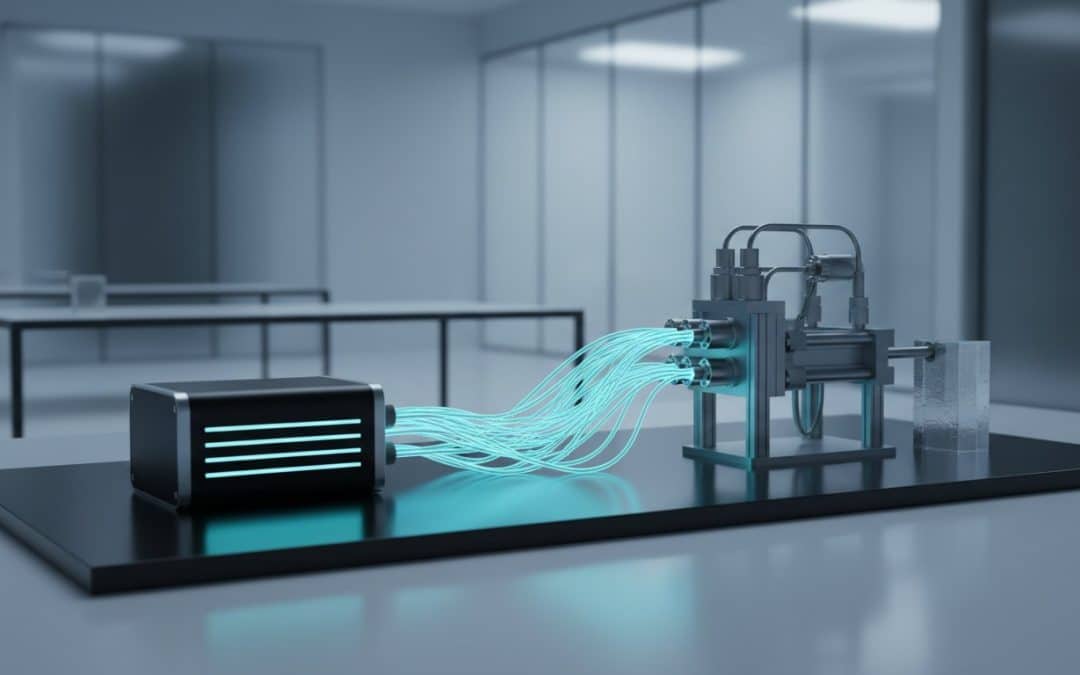
In modern industrial automation, efficiency and power are paramount. Electro-pneumatic control systems represent the pinnacle of this synergy, merging the precision of electrical signals with the robust force of compressed air. At its core, Electro-pneumatic control leverages low-voltage electricity to direct high-pressure pneumatic energy, enabling complex, high-speed operations with exceptional reliability. The system relies on meticulously engineered electro-pneumatic control components to translate digital commands into powerful mechanical motion.
This hybrid approach offers distinct advantages over singular technologies. Purely pneumatic systems, while simple and powerful, often lack the sophisticated, programmable logic required for complex automation. Conversely, purely electric systems can achieve high precision but frequently come with higher initial costs and increased complexity when generating comparable levels of force. Electro-pneumatics provides a high-performance, cost-effective solution that excels in demanding industrial environments.
This unique combination of precision and power makes electro-pneumatic systems indispensable across numerous industries, including:
- Automated Manufacturing and Assembly Lines
- High-Speed Packaging and Sorting
- Advanced Robotics and Material Handling
- Food and Beverage Processing
The Fundamental Principle: Signal, Interface, Action, Feedback
The operational sequence of an electro-pneumatic system is a masterclass in efficiency, following a clear, four-stage closed loop. This process ensures every action is deliberate, confirmed, and precisely executed.
- Signal: An electrical controller, such as a PLC (Programmable Logic Controller), generates a low-voltage command based on programmed logic.
- Interface: A solenoid valve receives this electrical signal and instantly converts it into a physical action, opening or closing an air passage to direct the flow of compressed air.
- Action: The directed airflow drives a pneumatic actuator, like a cylinder or gripper, to perform the intended mechanical work-pushing, pulling, lifting, or gripping with significant force.
- Feedback: Sensors (e.g., proximity, pressure) monitor the actuator’s status and send data back to the controller, confirming task completion and enabling intelligent, closed-loop control.
Why Combine Electrical and Pneumatic Technologies?
The strategic use of electro-pneumatic control components is driven by several key advantages that neither technology can offer alone, creating a system greater than the sum of its parts.
- Precision Control Meets Brute Force: It pairs the high-speed, programmable precision of modern electronics with the immense, cost-effective force generation of compressed air.
- Enhanced Reliability and Durability: Pneumatic components are famously robust, resistant to harsh environments, and offer long service lives, while electrical control ensures consistent, repeatable performance.
- Complex Automation Made Simple: This integration allows for the easy programming of complex, multi-step sequences that would be difficult or impossible to achieve with purely mechanical or pneumatic logic.
- Cost-Effective Power: By using compressed air for the heavy lifting, facilities can achieve high force output more economically than with large electric motors or hydraulic systems.
The Core Components of an Electro-Pneumatic System
A high-performance electro-pneumatic system operates with precision and power, where each component executes a specific, critical role. To effectively design and troubleshoot these systems, it is essential to understand the four functional groups that form their architecture. This framework, detailed in foundational guides like the Institute of Applied Technology’s Introduction to Electro-Pneumatic Control, breaks the system down into a brain, a translator, muscle, and senses, providing a clear map of the signal flow from command to action.
Signal Processing Units (The Brain)
At the heart of any automated process lies the control unit. In sophisticated industrial automation, the Programmable Logic Controller (PLC) is the undisputed brain, executing complex logic sequences with high-speed precision. PLCs connect to system devices through Input/Output (I/O) modules. For simpler applications, cost-effective relays or microcontrollers manage basic control logic. Regardless of the hardware, this unit’s function is to interpret input signals and execute a pre-programmed response to control the entire process.
The Interface: Solenoid Valves
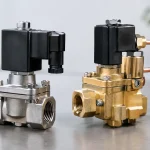
Solenoid valves are the critical translators, converting low-voltage electrical signals from the control unit into high-pressure pneumatic power. These electrically-actuated switches direct the flow of compressed air to the actuators. Common configurations include:
- 3/2-way valves: Used to control single-acting cylinders.
- 5/2-way valves: Designed to operate double-acting cylinders for extension and retraction.
- 5/3-way valves: Allow for mid-stroke stopping and precise positioning.
Designs can be direct-acting for rapid response or pilot-operated to handle high flow rates (Cv) with minimal electrical power.
Pneumatic Actuation Components (The Muscle)
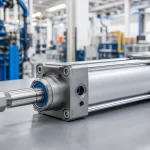
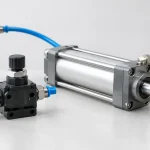
The actuators are the muscle of the system, converting the potential energy of compressed air into productive mechanical work. These robust electro-pneumatic control components perform the physical tasks required by the application, from simple motion to complex material handling. Key types include:
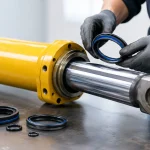
- Linear Actuators (Cylinders): Provide powerful pushing, pulling, and clamping force.
- Rotary Actuators: Deliver precise turning and positioning motion.
- Pneumatic Grippers: Handle objects with precision in pick-and-place operations.
Sensing and Feedback Components
To ensure reliability and precision, the system needs senses. Feedback sensors monitor the process and verify that commands have been executed correctly. Position sensors, such as magnetic reed switches, confirm an actuator has reached its target position. Pressure switches verify that the system is operating at the correct pressure, while flow sensors can detect leaks or abnormal air consumption. This sensory data is crucial for creating a closed-loop control system, enabling error detection and real-time adjustments for peak performance.
How the System Works: A Step-by-Step Operational Example
Theory is best understood through practical application. To illustrate how electrical intelligence commands pneumatic power, let’s examine a common industrial task: sorting products on a high-speed conveyor line. This sequence demonstrates the seamless integration of sensing, processing, and actuation that defines modern automation. The principles shown here are fundamental to the design of robust electro-pneumatic control systems, where precision and reliability are paramount.
Step 1: Input Signal and Processing
The process begins with perception. An optical sensor, positioned alongside the conveyor, detects a specific product based on its size, color, or a barcode. Upon detection, the sensor generates a low-voltage electrical signal. This input is transmitted to a Programmable Logic Controller (PLC), the system’s central processing unit. The PLC’s program, meticulously engineered for the task, instantly processes this signal, recognizes it as a command to act, and triggers a corresponding output according to its pre-defined logic.
Step 2: Electrical-to-Pneumatic Conversion
Here, the electrical command is translated into pneumatic force. The PLC’s output module sends a 24VDC signal to the coil of a solenoid valve. This is the critical hand-off point where electro-pneumatic control components bridge the two energy domains. Energizing the solenoid creates a magnetic field that shifts the valve’s internal spool. This precise mechanical movement instantly opens a pathway, allowing high-pressure compressed air from the main system line to flow toward a designated actuator with controlled force and speed.
Step 3: Mechanical Action and Feedback
With the valve open, compressed air rushes into a pneumatic cylinder. The rapid pressure change drives the cylinder’s piston rod, extending it with significant force to push the targeted product onto a different conveyor or into a sorting bin. To ensure operational integrity, a magnetic sensor mounted on the cylinder detects when the piston has reached its full extension. This sensor sends a confirmation signal back to the PLC, completing the feedback loop. This confirmation verifies the task was executed successfully and readies the system for the next cycle, ensuring high-speed, error-free performance.
Key Advantages of Integrating Electro-Pneumatic Controls
The strategic fusion of electrical precision and pneumatic power delivers a formidable set of advantages that drive productivity and profitability in modern industrial settings. By leveraging this hybrid technology, businesses can achieve higher performance, greater safety, and seamless integration, establishing a robust foundation for smart, efficient manufacturing operations.
Enhanced Performance and Precision
Electro-pneumatic systems are meticulously engineered for high-velocity, high-repetition tasks where speed and accuracy are non-negotiable. The instant response of solenoid valves combined with the raw power of compressed air enables automation at a level that purely mechanical or hydraulic systems struggle to match. This translates directly to higher throughput and superior product quality.
- Extremely Fast Cycle Times: Achieve rapid actuation for high-speed assembly, sorting, and packaging applications.
- Precise, Repeatable Control: Gain meticulous command over actuator position, speed, and force, ensuring consistent operational outcomes.
- Programmable Motion Sequences: Easily program, modify, and deploy complex motion profiles to adapt to changing production demands.
- Superior Energy Efficiency: Consume significantly less energy compared to hydraulic systems, reducing long-term operational costs.
Superior Reliability and Safety
Durability is a core attribute of pneumatic technology. Components are inherently robust, capable of withstanding harsh industrial environments with dust, debris, and temperature fluctuations. When paired with safe, low-voltage electrical controls, the result is a system built for longevity and operator safety, minimizing downtime and protecting your most valuable assets.
- Robust Construction: Pneumatic actuators and valves offer a long service life with minimal maintenance requirements.
- Low-Voltage Control: Electrical circuits typically operate at 24V DC, minimizing electrical shock hazards for personnel.
- Clean and Safe Power: Compressed air is a clean medium that does not pose the fire or contamination risks associated with hydraulic fluid leaks.
Seamless Integration and Scalability
Modern automation demands connectivity, and this is where electro-pneumatic control components truly excel. Designed for the digital age, they integrate flawlessly with the broader control architecture of any smart factory. This connectivity enables centralized command, real-time data acquisition, and predictive maintenance, aligning perfectly with Industry 4.0 principles.
These systems are inherently scalable, allowing you to build automation solutions from a simple, single-actuator station to a complex, multi-axis robotic cell. Their ability to connect with PLCs, HMIs, and IoT platforms facilitates remote monitoring, diagnostics, and control, giving you unprecedented oversight of your operations. This unparalleled combination of power, precision, and intelligence makes premium electro-pneumatic control components a cornerstone of modern automation, POWERING SUCCESS for facilities worldwide.
How to Select the Right Electro-Pneumatic Components
Selecting the correct components is critical for designing a high-performance, reliable automation system. An optimized system begins not with a catalog, but with a thorough analysis of your application’s specific demands. This methodical approach ensures that your chosen electro-pneumatic control components deliver maximum efficiency, longevity, and return on investment.
Matching Components to Application Demands
Before specifying any hardware, you must first define the precise operational parameters. A clear understanding of the mechanical work to be done and the environment in which it will operate dictates every subsequent choice. Key considerations include:
- Performance Calculations: Determine the required force to move the load, the necessary speed of actuation, and the cycle rate (cycles per minute) to meet production targets.
- Environmental Factors: Assess the operating environment. Will components be exposed to extreme temperatures, moisture, corrosive chemicals, or airborne contaminants? This influences material selection and the required IP rating.
- Precision and Repeatability: Define the level of accuracy needed. A simple sorting application has different requirements than a high-precision assembly task that demands exceptional repeatability.
Key Specifications for Selection
With your application requirements defined, you can evaluate the technical specifications of individual components to find the perfect match. Focus on these critical metrics:
- Valve Selection: The Flow Coefficient (Cv) is paramount, as it indicates the valve’s capacity for air flow. Also, match the port size to your tubing and fittings, and consider the valve’s response time for high-speed automation.
- Actuator Sizing: Select the cylinder bore size based on your force calculations, the stroke length to match the required travel distance, and a mounting style that integrates seamlessly into your machine design.
- Control and Sensing: Ensure electrical compatibility by standardizing control logic, often with a 24VDC solenoid voltage. Choose the appropriate sensor type (e.g., reed or solid-state) to provide reliable feedback for your control system.
Partnering with a Factory-Direct Supplier
Navigating the vast landscape of electro-pneumatic control components can be complex. Partnering with a factory-direct supplier like VidoAir™ provides a significant strategic advantage. You gain direct access to technical experts who can validate your calculations and recommend a meticulously engineered solution. This ensures all parts are fully compatible and designed for premium performance, eliminating guesswork and integration challenges. Ready to build a robust and efficient system? Get a quote for your project from our technical experts.
Powering Your Success with Precision Control
Ultimately, electro-pneumatic systems provide a powerful bridge between low-voltage digital commands and high-force mechanical action. By understanding how core components like solenoid valves, actuators, and sensors work in concert, you can design automated systems with exceptional speed, precision, and efficiency. Selecting the right electro-pneumatic control components is the definitive factor in achieving optimal performance and reliability.
At VidoAir™, we are dedicated to providing the high-performance solutions that bring your designs to life. Our components are meticulously engineered for demanding applications and delivered with factory-direct pricing for unmatched value. When you partner with us, you gain access to a robust inventory and dedicated technical support to ensure your system’s success from concept to completion.
Ready to build a more powerful and efficient system? Download the VidoAir™ Pneumatic Components Catalog to explore our complete product line. Let’s power your success together.
Frequently Asked Questions About Electro-Pneumatic Control
What is the most common voltage used for solenoid valves in these systems?
In modern industrial automation, 24V DC is the predominant standard for solenoid valve coils. This low voltage enhances operator safety and integrates seamlessly with PLC and sensor outputs. While other options like 12V DC, 120V AC, and 240V AC exist for specific applications, 24V DC provides the optimal balance of power, safety, and compatibility for most high-performance electro-pneumatic systems, ensuring reliable and efficient control of pneumatic actuators.
How do electro-pneumatic systems compare to electro-hydraulic systems?
Electro-pneumatic systems excel in high-speed, repetitive tasks requiring moderate force, such as packaging and material handling. They are valued for their cleanliness, cost-effectiveness, and use of readily available compressed air. In contrast, electro-hydraulic systems generate immense force, making them essential for heavy-duty applications like industrial presses. However, hydraulics involve higher initial costs, greater complexity, and the potential for fluid leaks, making them less suitable for cleanroom or food-grade environments.
Can I convert an existing all-pneumatic circuit to an electro-pneumatic one?
Yes, converting a purely pneumatic circuit is a common and highly effective upgrade. The process involves replacing manually or air-piloted directional control valves with solenoid-operated valves. These new valves are then connected to an electrical control system, such as a simple relay circuit or a more advanced Programmable Logic Controller (PLC). This conversion introduces the precision, speed, and automation capabilities of electrical control to the power and reliability of your existing pneumatic actuators.
What are the typical maintenance requirements for electro-pneumatic components?
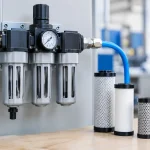
Robust electro-pneumatic control components require minimal but critical maintenance to ensure peak performance and longevity. The primary focus is the air supply; regularly inspect and service the Filter, Regulator, Lubricator (FRL) unit to provide clean and properly pressurized air. Periodically check for air leaks at all fittings and seals, and verify that electrical connections to solenoids and sensors are secure and free from corrosion to maintain system integrity and efficiency.
How do I ensure the solenoid valve is correctly sized for my pneumatic cylinder?
Correctly sizing a solenoid valve is critical for achieving the desired cylinder performance. The key specification is the flow coefficient (Cv), which measures the rate of airflow the valve can pass. To attain the required cylinder actuation speed, the valve’s Cv must be sufficient to fill and exhaust the cylinder’s volume within the target time. Always consult the manufacturer’s technical data sheets and use flow rate calculations to match the valve to your cylinder’s specifications.
What is the difference between a PLC and a simple relay for control?
A relay is an electromechanical switch best suited for simple, fixed logic, such as activating a cylinder with a single button. It provides a basic, hardwired control solution. A Programmable Logic Controller (PLC), however, is a robust industrial computer offering immense flexibility. A PLC is engineered for complex automation involving multiple inputs, outputs, timing sequences, and data processing, making it the superior choice for sophisticated and scalable machine control.