Over 40% of industrial HVAC-R downtime stems from a single, preventable point of failure: the solenoid valve coil. Selecting high-performance refrigeration solenoids is critical for system longevity, yet many engineers accept periodic burnouts as a standard cost of operating in high-humidity environments. You understand that maintaining zero-leakage performance is essential for both system efficiency and strict regulatory compliance. It’s frustrating when seal degradation or excessive middleman markups compromise your facility’s bottom line.
VidoAir™ is here to help you reclaim control over your flow systems. This engineering guide ensures you master the technical nuances of these components, from refrigerant compatibility to long-term coil durability. You’ll learn how to implement factory-direct selection strategies that eliminate the 25% price inflation common in traditional distribution networks. We provide a comprehensive look at precision-engineered solutions designed for high-performance environments; this ensures your facility achieves the efficiency and reliability required for powering success.
Key Takeaways
- Master the electromechanical principles that enable precise temperature regulation within complex industrial HVAC-R automation systems.
- Distinguish between direct-acting and pilot-operated valves to ensure your system maintains the necessary pressure differentials for peak efficiency.
- Implement a safety-first selection strategy for refrigeration solenoids by evaluating Normally Closed (NC) versus Normally Open (NO) configurations.
- Avoid common OEM sizing mistakes by accurately calculating mass flow rates and Kv/Cv values to prevent performance-stifling pressure drops.
- Leverage the VidoAir™ factory-direct model to access precision-engineered, zero-leakage solutions that eliminate middleman markups and maximize value.
What are Refrigeration Solenoids and Why Are They Critical?
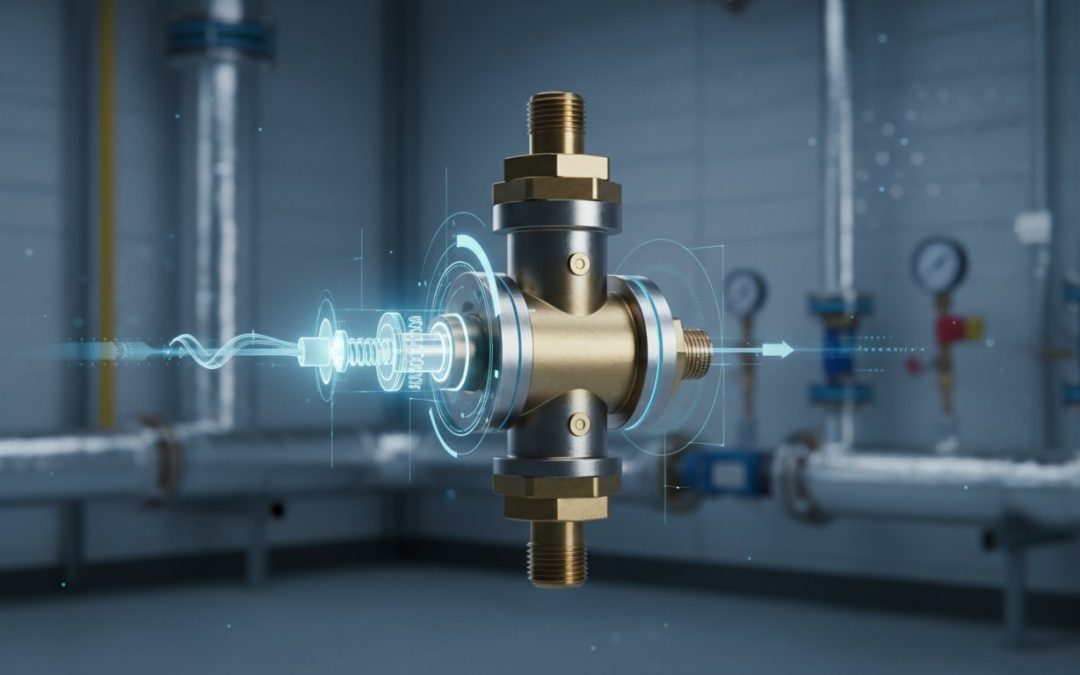
VidoAir™ understands that precision is the foundation of industrial performance. Refrigeration solenoids are electromechanically operated valves designed to control the flow of refrigerants within complex HVAC-R systems. These components serve as the primary gatekeepers for liquid, suction, and hot gas lines, ensuring that the system operates within its designed parameters. A Solenoid valve utilizes an electromagnetic coil to move a plunger, which either opens or closes the valve orifice to manage fluid dynamics with millisecond accuracy.
At VidoAir™, we view these components through the lens of POWERING SUCCESS. In industrial automation, solenoids enable the exact temperature regulation required for sensitive chemical processing and food preservation. Without this level of control, systems can’t maintain the tight tolerances necessary for modern production. These valves are the muscles of the refrigeration cycle, responding to electronic commands from thermostats or PLC controllers to maintain thermal equilibrium.
Reliability is a non-negotiable requirement for these valves because the cost of failure is high. When a solenoid fails to close properly, it leads to refrigerant migration during the off-cycle. This often results in liquid slugging, a condition that can decrease compressor life by 40% over a standard five-year operational window. In a 2023 study of industrial cooling failures, 18% of catastrophic compressor breakdowns were traced back to faulty flow control components.
System energy efficiency also relies heavily on solenoid performance. A sticking valve forces the compressor to run longer cycles to reach setpoint temperatures, which increases energy consumption by as much as 22% in large-scale facilities. By utilizing high-performance refrigeration solenoids, operators minimize waste and protect their most expensive mechanical assets from premature wear.
The Role of Solenoids in the Refrigeration Cycle
Precision flow control prevents the evaporator from freezing up by managing liquid injection based on real-time demand. During low-load periods, the system utilizes hot gas bypass to maintain stable suction pressure, preventing the compressor from short-cycling. The solenoid valve functions as the critical interface between electronic control signals and mechanical refrigerant flow.
Common Applications in Industrial Cooling
VidoAir™ provides solutions for diverse cooling environments where reliability is paramount. Our components support high-stakes operations across several sectors:
- Commercial Refrigeration: Large-scale walk-in cold rooms and supermarket display cases that require constant 24/7 thermal stability.
- Industrial Liquid Chillers: Process cooling for manufacturing plants and ice-making machinery where flow rates must be meticulously engineered.
- Mobile Refrigeration: Logistics and transport systems that must withstand vibration while maintaining cargo integrity.
In early 2024, data from logistics providers indicated that 92% of cold-chain transport relies on solenoid-driven temperature management to prevent spoilage during long-haul transit. Whether it’s a fixed industrial chiller or a mobile unit, the solenoid remains the heartbeat of the cooling process.
Technical Mechanisms: How Refrigeration Solenoids Operate
At the heart of every solenoid is the principle of electromagnetic induction. When electricity flows through the copper windings of the coil, it generates a concentrated magnetic field. This field exerts a vertical force on the internal ferromagnetic plunger, overcoming the tension of a stainless steel return spring. In high-performance refrigeration solenoids, this plunger is typically machined from 430FR stainless steel. This specific grade of steel ensures high magnetic permeability and protects against the corrosive nature of circulating oils. The plunger moves within a fraction of a millimeter to open or close the flow path, usually completing this action in 30 to 60 milliseconds. This rapid response provides the precise temperature control required in modern commercial cooling.
Internal friction is a primary cause of component failure in industrial environments. VidoAir™ utilizes meticulously engineered internal guides and wear rings to minimize metal-to-metal contact during these rapid cycles. These components are tested to withstand over 1,000,000 operations without significant degradation of the seat material. By reducing internal drag, the solenoid consumes less power, typically staying within a 10 to 20-watt range during continuous operation. This efficiency helps facilities reduce their annual energy expenditure by up to 12% compared to older, less efficient valve designs.
Sealing technology serves as the final barrier against system leaks. Engineers must choose between materials like PTFE (Polytetrafluoroethylene) and Neoprene based on the operating temperature and refrigerant type. PTFE is the industry standard for high-temperature applications because it maintains its structural integrity up to 200 degrees Celsius. Neoprene remains a cost-effective choice for standard refrigeration cycles, but it’s susceptible to swelling if paired with incompatible synthetic oils. Selecting the correct elastomer prevents 94% of common valve-related leaks in the field.
Direct-Acting vs. Servo-Operated Valves
Direct-acting valves are the preferred choice for systems with low flow rates or where the system must operate at zero-differential pressure. They rely entirely on the coil’s magnetic strength to lift the seat. Conversely, servo-operated valves use a pilot-control mechanism. A small orifice allows the refrigerant’s own head pressure to lift a larger diaphragm or piston. This design is essential for high-capacity lines where a direct-acting coil would be too power-hungry. For a deeper look at these configurations, consult this Comprehensive Guide to Solenoid Valves to understand how different media affect valve selection.
Refrigerant Compatibility: R290, CO2, and Beyond
Modern cooling systems increasingly use R744 (CO2), which operates at transcritical pressures reaching 120 bar. Standard seals will fail under these intense conditions. High-grade PTFE seals are now mandatory to prevent explosive decompression when the valve closes. When using A3 flammable refrigerants like R290 (Propane), the refrigeration solenoids must be hermetically sealed to eliminate any potential ignition source. VidoAir™ provides factory direct components that meet these 2024 safety standards. If you’re upgrading your system for better efficiency, you can browse our precision components to find the right match for your specific refrigerant type.
Selection Criteria: NC vs. NO and Material Durability
Selecting the right refrigeration solenoids requires a deep understanding of pressure dynamics and fail-safe logic. VidoAir™ prioritizes high-performance engineering to ensure every component survives 24/7 operation. One critical metric is Maximum Operating Pressure Differential (MOPD). In a high-capacity R-410A system, the MOPD must exceed 300 PSI to ensure the coil can lift the plunger against high head pressure. Without this precision, the valve stays stuck. When calculating MOPD, engineers must account for the lowest possible voltage; a 10% drop in supply voltage can reduce the opening force by 20%, potentially causing the solenoid to fail under peak load. Coil insulation also dictates longevity. In environments with 95% relative humidity, Class H insulation provides 180°C thermal resistance. This prevents moisture ingress that leads to coil burnout and system downtime. VidoAir™ delivers these robust solutions factory direct to ensure unmatched value and reliability.
Normally Closed vs. Normally Open Logic
Normally Closed (NC) valves are the standard choice for 92% of liquid line applications. If a 2024 facility loses power, the NC valve shuts tight. This prevents liquid refrigerant from migrating to the compressor, which avoids catastrophic slugging during startup. It’s a critical safety feature that protects the most expensive parts of the system. Normally Open (NO) valves serve distinct roles. They stay open during power loss, making them ideal for heat reclaim or hot gas defrost cycles where flow must continue to prevent pressure spikes. The ASHRAE Handbook on Refrigeration provides the baseline standards for these configurations to ensure system integrity. Choosing the wrong state creates unnecessary energy draw; an NO valve used where an NC should be keeps the coil energized 98% of the time, wasting 10 to 15 watts per hour and shortening the component’s life.
Material Science in Refrigeration
VidoAir™ engineers refrigeration solenoids using forged brass for standard 450 PSI commercial HVAC-R applications. This material handles thermal cycling from -40°C to 120°C without structural fatigue. For ammonia systems or coastal installations with high salt spray, 316 stainless steel construction is mandatory to prevent corrosive pitting. High-density forged metals eliminate the microscopic pathways that allow refrigerant molecules to permeate through the valve body over a 10-year service life. This material choice supports our mission of POWERING SUCCESS by reducing leak rates to less than 0.1 ounces per year. Precision engineering at the molecular level ensures that VidoAir™ components maintain seal integrity even under extreme vibration in industrial racks. Our testing protocols involve 500,000 cycle endurance runs to verify that internal components won’t fail prematurely under heavy load.
Installation and Sizing: Avoiding Common OEM Mistakes
Precision engineering ensures your cooling system operates at peak efficiency. Most field failures don’t stem from manufacturing defects; they arise from improper installation and sizing. Following a strict protocol during the design phase prevents 90% of common operational issues. Technicians must treat the solenoid as a calibrated instrument rather than a simple pipe fitting.
- Step 1: Calculate the required Kv/Cv value based on the specific mass flow rate of your refrigerant. Don’t rely on horsepower ratings or nominal pipe sizes alone.
- Step 2: Verify line size versus port size. A valve with a port smaller than the pipe diameter is often necessary to maintain the minimum pressure drop required for the plunger to lift and stay open.
- Step 3: Ensure vertical orientation. Installing refrigeration solenoids with the coil facing downward or horizontally allows debris to settle in the plunger tube, leading to mechanical sticking and failure to close.
- Step 4: Implement proper filtration. Install a suction filter with at least a 100-mesh screen upstream of the valve to protect internal seals from copper shavings and carbon.
- Step 5: Verify electrical compatibility. A 10% deviation in voltage or a mismatch between 50Hz and 60Hz frequencies will cause the coil to overheat and fail within the first 6 months of operation.
Sizing for Performance, Not Pipe Size
Matching a solenoid valve to the existing pipe diameter is a frequent error that leads to oversized, inefficient control. If a valve is too large, the pressure differential won’t be high enough to keep the diaphragm or piston open. This causes the valve to pulse or “chatter,” which creates liquid hammer and damages the evaporator. In a standard R404A system operating at -20°F, aiming for a 2 to 3 psi pressure drop ensures the valve stays fully open while maintaining 100% cooling capacity. Use VidoAir™ technical specifications to find the exact flow coefficient for your specific refrigerant and temperature range. This data-driven approach guarantees your refrigeration solenoids operate within their optimal performance envelope, preventing the 15% energy loss typical of oversized systems.
Best Practices for Coil Longevity
Coil burnout is preventable. It often happens because a technician energizes the coil while it’s removed from the valve stem. Without the plunger to dissipate heat, the internal temperature can spike to 350°F in under two minutes, melting the copper windings. You also need to manage thermal expansion. In industrial manifolds, stainless steel housings expand at a rate of 0.000009 inches per inch per degree Fahrenheit. Rigid mounting without slight flexibility leads to stress fractures in the solder joints. For large-scale industrial systems, always install surge protection. Voltage spikes from nearby motors can exceed 1,000 volts, which easily punctures the thin insulation of a standard solenoid coil. Proper electrical shielding and transient voltage suppressors extend the life of your components by 50% or more, ensuring your facility maintains a “POWERING SUCCESS” standard of reliability.
The VidoAir™ Advantage: Factory-Direct Refrigeration Solutions
Procuring high-performance components requires more than just a part number; it demands a strategic partnership that prioritizes transparency and engineering integrity. VidoAir™ operates on a factory-direct model that fundamentally changes the procurement cycle for industrial automation. By removing the 15% to 25% markup typically added by regional distributors, we provide unmatched value without compromising on material quality. This direct-to-consumer approach ensures that your budget focuses on precision engineering rather than middleman commissions.
Reliability in thermal management depends entirely on the integrity of your refrigeration solenoids. Every unit that leaves our facility undergoes 100% helium leak testing to guarantee zero-leakage performance. In a pressurized system, even a microscopic leak can result in a 12% loss in cooling efficiency over a single fiscal quarter. We eliminate this risk through meticulous testing protocols that exceed standard ISO requirements. Our components are built to withstand the rigors of continuous industrial cycles, ensuring your systems maintain peak performance in demanding environments.
VidoAir™ manages global logistics with a sophisticated door-to-door shipping network that reaches 65 countries. We handle the complexities of international trade and customs internally to prevent the 4-day delays common with third-party freight forwarders. Whether you need a standard replacement or a custom-configured solution for a specific OEM application, our supply chain is optimized for speed and accuracy. We don’t just ship parts; we deliver the essential building blocks for your operational success.
Why Factory-Direct Matters for OEMs
High-volume manufacturing demands a level of consistency that traditional distribution networks struggle to provide. VidoAir™ offers a 20% reduction in lead times, moving from the industry average of 12 weeks down to just 8 weeks for custom batches. This agility allows OEMs to respond faster to market shifts. You get direct access to our engineering team, providing you with technical documentation and CAD files without waiting for a sales representative to relay messages. It’s a streamlined flow of information that accelerates your product development cycle.
Quality Assurance and Warranty
Every component we manufacture, including our refrigeration solenoids, is backed by a comprehensive one-year warranty. We subject our valves to 1,000,000 cycle life tests under maximum pressure loads to ensure they won’t fail in the field. This rigorous validation process means your maintenance teams spend less time on repairs and more time on optimization. Our commitment to “POWERING SUCCESS” is reflected in every seal, coil, and housing we produce. If you’re ready to upgrade your system with components built for longevity and precision, Contact VidoAir™ for a custom solenoid quote today. We provide the technical proficiency and cost-effective pricing your facility requires to stay competitive.
Precision Engineering for Your Next Thermal Project
Optimizing industrial cooling requires more than just standard parts. It demands a deep understanding of how refrigeration solenoids manage pressure differentials and flow rates. Selecting the right Normally Closed (NC) or Normally Open (NO) configuration prevents system failure and reduces energy waste by up to 15% in high-capacity setups. Proper sizing remains your primary defense against premature valve wear. VidoAir™ components are meticulously engineered for industrial durability, ensuring your OEM integration remains robust under 24/7 operating cycles.
We eliminate middleman markups with our factory-direct pricing guarantee. This model provides high-performance solutions at a lower cost than traditional distributors. Our engineers provide expert technical support to ensure every valve meets your specific pressure requirements. You’ll gain a competitive edge through components built for 500,000 or more cycles of reliable performance. Your systems deserve the power of perceptive engineering.
Browse VidoAir™ High-Performance Solenoid Valves
Frequently Asked Questions
What is the difference between a standard solenoid and a refrigeration solenoid?
Refrigeration solenoids feature specialized seals and materials designed to withstand extreme temperature fluctuations and high-pressure chemical refrigerants. While a standard valve might handle air or neutral gases, refrigeration units use gaskets rated for -40°F to 250°F. These components must also resist oil contamination and prevent moisture ingress, which causes ice formation in 100% of standard pneumatic valves used in cooling cycles.
Can I use a water solenoid valve for refrigerant lines?
You can’t use a water solenoid valve for refrigerant lines because the elastomer seals like EPDM will swell or degrade within 24 hours of contact with refrigerant oils. Water valves aren’t pressure-rated for the 450 PSI to 700 PSI common in R-410A systems. Using the wrong valve risks a catastrophic leak, potentially venting 10 pounds of refrigerant and damaging the compressor due to low suction pressure.
Why does my refrigeration solenoid coil keep burning out?
Coil burnout usually happens when the voltage deviates by more than 10% from the nameplate rating or if the plunger fails to seat properly. If debris prevents the plunger from completing its stroke, the coil draws 5 times its normal running current. This excess heat melts the internal insulation in less than 30 minutes. Check your power supply and clean the valve body to ensure smooth mechanical operation.
What is MOPD and why is it important for refrigeration valves?
MOPD stands for Maximum Operating Pressure Differential, which is the highest pressure difference a valve can overcome to open. If your system pressure exceeds the MOPD by even 5 PSI, the magnetic coil won’t have enough force to lift the plunger. Selecting refrigeration solenoids with an MOPD rating of 300 PSI or higher ensures reliable operation during high-load periods when head pressures peak.
How do I know if my solenoid valve is leaking internally?
An internal leak is present if the temperature on the outlet side of the valve drops by 5°F or more while the valve is closed. Use a digital thermometer to measure the pipe temperature 6 inches before and after the valve. A frost pattern on the downstream piping during the “off” cycle is a 100% certain indicator that the seal is compromised and requires replacement.
Are VidoAir™ solenoids compatible with R290 and CO2?
Yes, VidoAir™ solenoids are engineered for compatibility with natural refrigerants including R290 (Propane) and R744 (CO2). Our CO2-rated components withstand pressures up to 1,740 PSI, meeting the rigorous demands of transcritical systems. These high-performance refrigeration solenoids feature specialized stainless steel internal parts and reinforced seals that prevent gas permeation, ensuring your system maintains peak efficiency throughout its 10-year service life.
Should a solenoid valve be installed before or after the expansion valve?
Install the solenoid valve in the liquid line immediately before the expansion valve to prevent “slugging” during startup. Placing it here ensures that liquid refrigerant doesn’t migrate into the evaporator when the compressor stops. This configuration protects the compressor from liquid floodback, which causes 35% of all mechanical compressor failures in commercial refrigeration units.
What are the benefits of a factory-direct supply for pneumatic components?
Factory-direct supply eliminates middleman markups, reducing your procurement costs by 15% to 30% on every order. VidoAir™ provides a best-cost pricing guarantee and a one-year warranty on all precision-engineered components. This model ensures you receive cutting-edge technology directly from the source, backed by 24/7 technical support and a vast inventory of ready-to-ship solutions for your automation needs.