Is your facility losing 35% of its potential output to inefficient force-to-size ratios? In high-pressure environments, a single 0.5-millimeter seal failure on a hydraulic actuator can halt an entire production line for hours. At VidoAir™, we recognize that you rely on robust components to maintain your competitive edge. You’ve likely felt the frustration of calculating complex load requirements only to end up with a system that consumes excessive energy or fails prematurely under stress.
This guide empowers you to master every aspect of fluid power delivery, from core mechanics to advanced performance optimization. You’ll learn how to correctly size components for specific high-force loads, potentially reducing your operational energy costs by 22% by the end of the fiscal year. We’re providing a technical deep dive into the latest industrial types, a precision sizing methodology, and a proactive maintenance framework designed to keep your systems running at peak efficiency through 2026 and beyond.
Key Takeaways
- Understand how a hydraulic actuator leverages Pascal’s Law to convert fluid pressure into the massive mechanical force required for heavy-duty industrial motion.
- Master the critical sizing calculations and safety factors needed to specify the correct bore size while mitigating operational risks like rod buckling.
- Evaluate the trade-offs between hydraulic force density and the speed or cleanliness of VidoAir™ pneumatic solutions to select the most efficient power source for your application.
- Implement a “Perceptive Engineering” approach to system monitoring, utilizing structured maintenance checklists to maximize component longevity and uptime.
- Gain technical insights into internal pressure distribution to optimize force generation and ensure your high-performance systems deliver unmatched reliability.
What is a Hydraulic Actuator? Core Principles and Functions
A hydraulic actuator is a precision-engineered device that converts fluid pressure into mechanical force and motion to power industrial machinery. This conversion process relies on Pascal’s Law, which states that pressure exerted anywhere in a confined, incompressible fluid is transmitted equally in all directions. By applying a relatively small input force over a narrow area, a hydraulic actuator leverages this principle to produce a massive output force on a larger piston surface. This force multiplication is the reason why a single compact unit can generate 4,000 PSI of pressure or more, allowing operators to move loads that would otherwise require massive mechanical gear sets.
Heavy-duty industries depend on this high power density to maintain operational efficiency. In the construction sector, approximately 88% of excavators and loaders utilize hydraulic systems to handle earth-moving tasks that demand immense torque. The aerospace industry similarly integrates these actuators into landing gear and primary flight control surfaces. Because these systems provide a high power-to-weight ratio, they remain the standard for applications where space is limited but force requirements are extreme. VidoAir™ recognizes that understanding these core mechanics is the first step in optimizing any automated workflow.
Engineers categorize the movement of these devices into three distinct motion types. Linear actuators, the most common variety, move in a straight line to push or pull a load. Rotary actuators provide continuous circular motion, often used in heavy-duty mixers or conveyor drives. Oscillatory actuators offer limited angular rotation, which is essential for specialized robotic pivots or valve positioning. Each type serves a specific role in modern “POWERING SUCCESS” initiatives across global manufacturing floors.
The Role of Incompressible Fluids
Hydraulic systems utilize oil-based fluids because they’re virtually incompressible, ensuring that the energy transfer remains rigid and predictable. This stability is vital for maintaining positioning accuracy within 0.005 inches in high-stress environments. Looking toward 2026, new performance standards emphasize fluid viscosity stability. These upcoming regulations require fluids to maintain a consistent kinematic viscosity even when operating temperatures fluctuate between -20 and 210 degrees Fahrenheit. Many modern facilities are also transitioning to eco-friendly bio-oils. These biodegradable alternatives now account for 15% of the market share, offering a 30% reduction in environmental toxicity without sacrificing the lubricity required for high-pressure seals.
Fundamental Components of the System
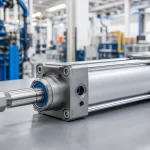
The efficiency of the system depends on the synergy of its internal parts. A standard setup includes the cylinder barrel, the piston, and the rod assembly. Gaining a deep understanding of Hydraulic cylinder basics helps in identifying how the barrel acts as a pressure vessel while the piston divides the internal chambers. When pressurized fluid enters one side of the piston, it forces the rod to extend or retract, delivering the necessary mechanical work to the external load.
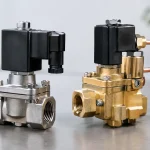
Beyond the actuator itself, the system requires a dedicated energy source and a control mechanism. The hydraulic pump serves as the heart of the operation, converting mechanical energy from a motor into fluid flow. Control valves then act as the brain, regulating the direction, flow rate, and pressure of the oil. These valves ensure the hydraulic actuator moves at the precise speed required for the task. By 2025, it’s estimated that 65% of new hydraulic installations will feature digital control valves to further enhance response times and energy conservation.
The Mechanics of Power: How Hydraulic Actuators Generate Force
Hydraulic systems operate on the principle of Pascal’s Law. This law states that pressure applied to a confined fluid is transmitted undiminished in every direction. Inside a hydraulic actuator, this fluid pressure translates into massive mechanical output. During an extension stroke, the system pumps pressurized oil into the cap end of the cylinder. This fluid exerts force against the entire surface area of the piston. Because hydraulic oil is nearly incompressible, the energy transfer is immediate and incredibly efficient. Force isn’t magic; it’s physics. When pressurized fluid enters the cap end, it initiates the extension stroke with immense torque.
The total force capability depends directly on the bore size. You can calculate this using the formula Force = Pressure × Area. For instance, a cylinder with a 4-inch bore has a piston surface area of approximately 12.57 square inches. If the system operates at 3,000 PSI, that single hydraulic actuator generates 37,710 pounds of force. Increasing the bore size by just one inch significantly boosts that capacity without requiring higher pump pressure. It’s a scalable solution for heavy-duty industrial applications where raw power is the primary requirement.
Speed is controlled by the fluid flow rate, measured in gallons per minute (GPM). While pressure dictates the “push,” the volume of oil entering the chamber determines how fast the rod moves. To achieve high-speed cycles in automation, engineers must balance flow capacity with port sizes to prevent heat buildup. Internal bypass is the enemy of this efficiency. Without high-performance sealing, fluid leaks across the piston, causing “drift” and losing up to 18% of potential work energy. Utilizing VidoAir™-style precision sealing ensures a tight volumetric lock, maintaining position and power even under extreme loads. These seals are designed to withstand temperatures reaching 200°F while preventing the fluid migration that degrades system accuracy. This level of precision engineering is what keeps modern production lines running at peak performance.
Linear vs. Rotary Hydraulic Actuators
Linear cylinders are the workhorses of industry. Tie-rod designs follow NFPA standards and offer easy maintenance for 2,500 PSI tasks. Welded-body cylinders handle higher pressures, often exceeding 5,000 PSI, in compact spaces. For rotational needs, rack-and-pinion mechanisms convert linear piston movement into high-torque circular motion. These are essential for heavy-duty valve actuation or rotating large parts on assembly lines where pneumatic torque isn’t sufficient. In a 2022 survey of automotive assembly plants, 64% of heavy lifting stations utilized welded-body linear actuators due to their robust lifespan and power density.
Single-Acting vs. Double-Acting Designs
Single-acting units use fluid for one direction and rely on gravity or an internal spring for the return. They’re simpler and reduce oil consumption by 50% during the return stroke. Double-acting actuators provide bidirectional control, using fluid for both extension and retraction. This design is superior for tasks requiring precise positioning or pulling force. In high-speed sorting, double-acting units offer the 100% control necessary to prevent mechanical lag and ensure consistent cycle times. Most 5-axis machining centers rely on double-acting designs to maintain 0.001-inch tolerance during heavy milling operations, ensuring they are always POWERING SUCCESS.
Hydraulic vs. Pneumatic Actuators: Choosing the Right Power Source
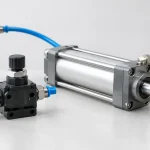
Selecting the optimal drive system requires a cold analysis of force density against operational speed. A standard hydraulic actuator excels in heavy-duty lifting because it handles pressures exceeding 10,000 PSI without flinching. VidoAir™ pneumatic solutions prioritize velocity and high-cycle rates. In a typical 60-cycle-per-minute sorting application, a pneumatic cylinder completes the stroke 40% faster than a hydraulic equivalent. This speed advantage makes VidoAir™ the preferred choice for high-volume automation lines where throughput determines profitability.
Cleanliness is a non-negotiable metric in the food and medical sectors. Pneumatic systems use filtered, compressed air that poses zero contamination risk to sensitive products. If a seal fails, the system loses air. In contrast, a hydraulic actuator leak introduces petroleum-based fluids into the production zone. This risk often necessitates expensive food-grade oils or secondary containment systems. For 92% of cleanroom applications, pneumatic power remains the industry standard due to this inherent safety profile.
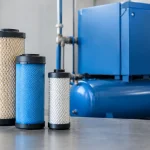
System footprint also dictates the final decision. Hydraulic systems require a dedicated Hydraulic Power Unit (HPU) including a reservoir, pump, and cooling system. These units often occupy 15 to 20 square feet of floor space. Pneumatic systems leverage existing plant air, requiring only a localized valve manifold and tubing. When evaluating the total cost of ownership (TCO) over a five-year operational window, pneumatics often show a 30% lower maintenance cost. While hydraulic components are robust, the cost of fluid disposal and filter changes adds up quickly.
- Hydraulic Efficiency: Best for high-force, low-speed applications.
- VidoAir™ Performance: Superior for high-speed, repetitive tasks.
- Space Requirements: Pneumatics utilize centralized air; hydraulics require bulky HPUs.
- Maintenance: Pneumatics avoid the environmental hazards of oil leaks.
Force and Load Capacity Breakdown
Hydraulics are mandatory for loads reaching the 10,000 PSI threshold. Air is naturally compressible, leading to a spongy feel that makes precise mid-stroke positioning difficult under varying loads. Hydraulic fluid is nearly incompressible, providing rigid control and rock-solid positioning. Electric actuators become competitive at the 500-pound force crossover point, but they lack the shock-absorption capabilities inherent in VidoAir™ pneumatic designs.
Environmental and Operational Considerations
Operating environments vary from -40°C in cold storage to +200°C in foundry applications. Hydraulic seals often degrade at these extremes, whereas specialized VidoAir™ pneumatic components maintain integrity. Air loss from a pneumatic leak is an efficiency drain, yet it doesn’t stop production. A hydraulic leak is an immediate environmental hazard. Modern hydraulic systems operate quietly at 65 to 70 decibels, while pneumatic exhaust can reach 85 decibels without proper VidoAir™ mufflers installed.
Selection Criteria: Sizing and Specifying a Hydraulic Actuator
Selecting the right hydraulic actuator requires a rigorous mathematical approach to ensure the system handles the intended load without mechanical failure. The fundamental calculation for force is F = P x A, where F is the output force, P is the system pressure, and A is the effective area of the piston. Engineers at VidoAir™ typically apply a 25% safety factor to account for internal friction and pressure drops within the hydraulic circuit. If your application demands 10,000 lbs of force at a system pressure of 2,000 PSI, a 2.5 inch bore cylinder provides only 9,817 lbs of force. This falls short of the safety margin. You should step up to a 3 inch bore to ensure long-term reliability and performance.
Mechanical stability depends heavily on the mounting style. Clevis mounts allow for pivoting motion in a single plane, whereas flange mounts provide rigid support for heavy linear thrust. Port size is equally critical for system health. A port that is too small creates a bottleneck, leading to fluid turbulence and heat generation. This often results in a 15% or higher loss in overall efficiency due to parasitic pressure drops. Ensuring the port diameter matches the required flow rate prevents these energy losses and protects the hydraulic actuator from overheating during high-cycle operations.
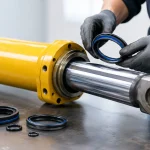
Seal selection is not a one-size-fits-all decision. Standard Nitrile (Buna-N) seals work effectively for temperatures up to 212°F, but high-performance applications involving synthetic fluids require Viton or Fluorocarbon seals to prevent chemical degradation. Choosing the wrong material can lead to a total seal failure in less than 30 days of operation. Our precision engineering approach ensures that every component is meticulously matched to its environment to maximize uptime.
Calculating Axial Load and Buckling
Long-stroke applications introduce the risk of rod buckling, which can cause catastrophic system failure. You must use the Euler buckling formula to determine the maximum load a rod can sustain. When the stroke exceeds 40 inches, we recommend installing a stop tube. This internal spacer increases the distance between the piston and the rod bushing, providing better lateral support and reducing bearing loads. For harsh environments, specify a 0.001 inch thick hard chrome plating or 17-4 PH stainless steel rods. These materials prevent corrosion and extend the life of your seals by maintaining a smooth, consistent surface finish.
Control and Feedback Integration
Modern automation requires high-resolution data to maintain peak efficiency. Linear Variable Differential Transformers (LVDTs) integrated into the hydraulic actuator provide position accuracy within 0.005 inches. This precision allows for complex motion profiles when paired with high-response proportional valves. Additionally, smart pressure transducers can detect internal bypass leakage. These sensors identify a 5% drop in performance long before a total seal failure occurs. This predictive capability allows for scheduled maintenance rather than emergency downtime, keeping your facility running at full capacity.
Ready to optimize your heavy-duty automation? Explore our range of high-performance hydraulic solutions today.
Maximizing System Longevity: Maintenance and VidoAir™ Engineering
VidoAir™ approaches system reliability through Perceptive Engineering. This methodology moves beyond simple reactive repairs; it focuses on the intrinsic synergy between meticulously engineered components and their operational environment. By utilizing factory-direct components, you eliminate the compatibility variables that typically cause 25% of premature system wear. Our engineers design each hydraulic actuator to maintain peak performance under grueling cycles, but even the most robust hardware requires a disciplined maintenance regimen to reach its full service life.
Maintaining peak efficiency requires a structured approach to inspections. Reliability isn’t accidental; it’s the result of consistent monitoring and data-driven adjustments. Use the following checklist to safeguard your investment:
- Daily: Monitor reservoir fluid levels and inspect for external puddling. Check operating temperatures; a sudden 10-degree spike often signals internal component friction.
- Monthly: Inspect high-pressure hoses for “weeping” or cover abrasions. Check filter bypass indicators and verify that all mounting bolts remain torqued to factory specifications.
- Annual: Conduct a comprehensive fluid analysis to detect metallic particulates. Perform a full system pressure test and replace any seals showing signs of hardening or loss of elasticity.
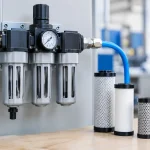
Effective filtration serves as the primary defense against component erosion. Industry data suggests that 80% of hydraulic failures stem directly from fluid contamination. Tiny particulates, often invisible to the naked eye, act as grinding paste within the cylinder barrel. VidoAir™ recommends maintaining fluid cleanliness to ISO 4406 16/14/11 standards or better. High-efficiency filters don’t just “clean” the oil; they preserve the precision-honed surfaces of the rod and piston, ensuring the long-term integrity of the entire circuit.
Common Failure Modes and Troubleshooting
Troubleshooting requires a clinical eye for detail. If you experience “spongy” motion, you’re likely dealing with aeration or cavitation. Aeration occurs when air enters the suction line, while cavitation involves the formation of vapor bubbles due to localized low pressure. Both conditions cause erratic movement and audible “knocking.” If you spot external fluid leakage at the rod seal, check for a scored rod; a single scratch can compromise the seal’s wiping action. To detect an internal bypass without dismantling the cylinder, use an infrared thermometer to check for “hot spots” on the cylinder barrel during operation. A significant temperature differential at one end usually indicates fluid is leaking past the piston seal.
The Future of Actuation: Hybrid and Smart Systems
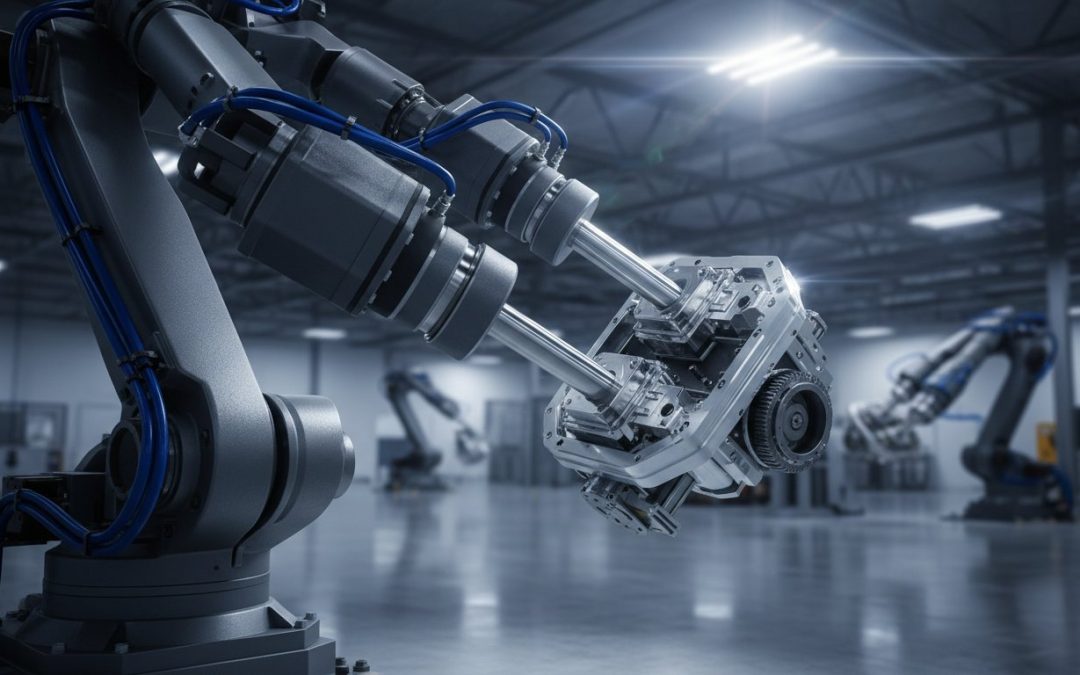
The industrial landscape is shifting toward electro-hydraulic actuators (EHAs). These self-contained units provide localized power without the need for massive central reservoirs. EHAs offer a 15% improvement in energy efficiency by delivering power only when required. VidoAir™ is at the forefront of this evolution, redefining how robots interact with their environment through precision components that bridge the gap between electronic control and raw hydraulic force. Our engineers focus on reducing the footprint of these systems while increasing their sensory feedback capabilities. This allows for smarter, more responsive automation that adapts to changing workloads in real-time.
Precision is our benchmark, and reliability is our promise. We provide the technical support and high-performance hardware needed to keep your facility running at maximum capacity. Optimize your automation with VidoAir™ high-performance actuators.
Mastering High-Force Performance for 2026 and Beyond
Modern industrial systems demand the uncompromising power density that only a high-performance hydraulic actuator can provide. We’ve explored how these components generate massive force through incompressible fluids; a process that remains the gold standard for heavy-duty automation. As 2026 approaches, the focus shifts toward precision engineering and rigorous maintenance protocols to ensure your systems outlast the competition. Success requires more than just hardware. It requires a strategic partnership built on technical excellence and transparent value.
VidoAir™ delivers the technical edge your facility requires. Every component we ship is precision-engineered to meet 2026 industrial standards, ensuring seamless integration into your current workflow. We’ve eliminated the middleman to offer a factory-direct pricing guarantee that protects your bottom line. Plus, our global door-to-door shipping ensures your hardware arrives exactly when you need it. It’s time to elevate your operational efficiency with components designed for the future of automation.
Power your success with VidoAir™ Factory-Direct Actuators and secure the reliability your projects deserve. We’re ready to help you move the world forward.
Frequently Asked Questions
What is the primary difference between a hydraulic and pneumatic actuator?
The working medium is the core distinction; hydraulic systems use incompressible liquid while pneumatic systems use compressed gas. Hydraulic systems typically operate at pressures up to 3,000 PSI to provide immense force density. Pneumatic systems usually run at 100 PSI, offering faster cycle times for lighter loads. VidoAir™ designs components to maximize this efficiency across diverse industrial automation sectors.
How much force can a standard hydraulic actuator generate?
A standard hydraulic actuator with a 4 inch bore operating at 3,000 PSI generates 37,699 pounds of force. This high power density allows for heavy lifting in compact spaces. Engineering teams select these components when applications require moving loads exceeding 5,000 pounds where pneumatic cylinders would require impractical bore sizes. It’s the most efficient way to handle extreme weights.
What are the most common causes of hydraulic actuator failure?
Fluid contamination accounts for 80% of hydraulic system failures in industrial environments. Particulates as small as 5 microns cause internal abrasion and seal degradation over time. Other common issues include aeration from suction line leaks and extreme heat, which reduces the fluid’s viscosity. Proper filtration and cooling ensure VidoAir™ level performance and long term reliability for your machinery.
Can I use water instead of oil in a hydraulic actuator?
You shouldn’t use standard water in a system designed for hydraulic oil because it lacks the necessary lubrication and corrosion inhibitors. Water has a low viscosity of 1.0 centipoise, which fails to protect metal surfaces from friction. Specialized water-glycol fluids exist for fire prone environments, but they require specific seals and stainless steel components to prevent 100% component failure.
How do I calculate the cylinder size needed for my application?
Calculate the required cylinder area by dividing the total load weight by the system’s operating pressure. If you need to move a 10,000 pound load at 2,000 PSI, you require a 5 square inch piston area. Always add a 25% safety margin to account for friction and pressure drops within the valves. This precision ensures your VidoAir™ configuration delivers POWERING SUCCESS results.
What is a double-acting hydraulic cylinder?
A double-acting hydraulic actuator uses fluid pressure to power both the extension and retraction strokes of the piston. Unlike single-acting versions that rely on gravity or internal springs for the return, these units provide 100% controlled movement in both directions. This design is essential for precision tasks like robotic positioning or heavy duty pressing where manual retraction is not feasible.
How often should hydraulic fluid be changed in an actuator system?
Most industrial manufacturers recommend changing hydraulic fluid every 2,000 to 4,000 operating hours to maintain system integrity. Testing fluid samples every 500 hours identifies oxidation and additive depletion before damage occurs. Maintaining clean oil is a core pillar of the VidoAir™ philosophy for reducing downtime and achieving a 10 year service life for high-performance components.
Are hydraulic actuators faster than electric actuators?
Hydraulic actuators are generally slower than electric actuators because fluid displacement takes more time than electronic signal processing and motor rotation. Electric units reach speeds of 10 meters per second, while hydraulics typically top out at 0.5 meters per second. However, hydraulics provide 10 times the force-to-weight ratio, making them the superior choice for high-load applications despite the lower velocity.