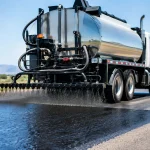
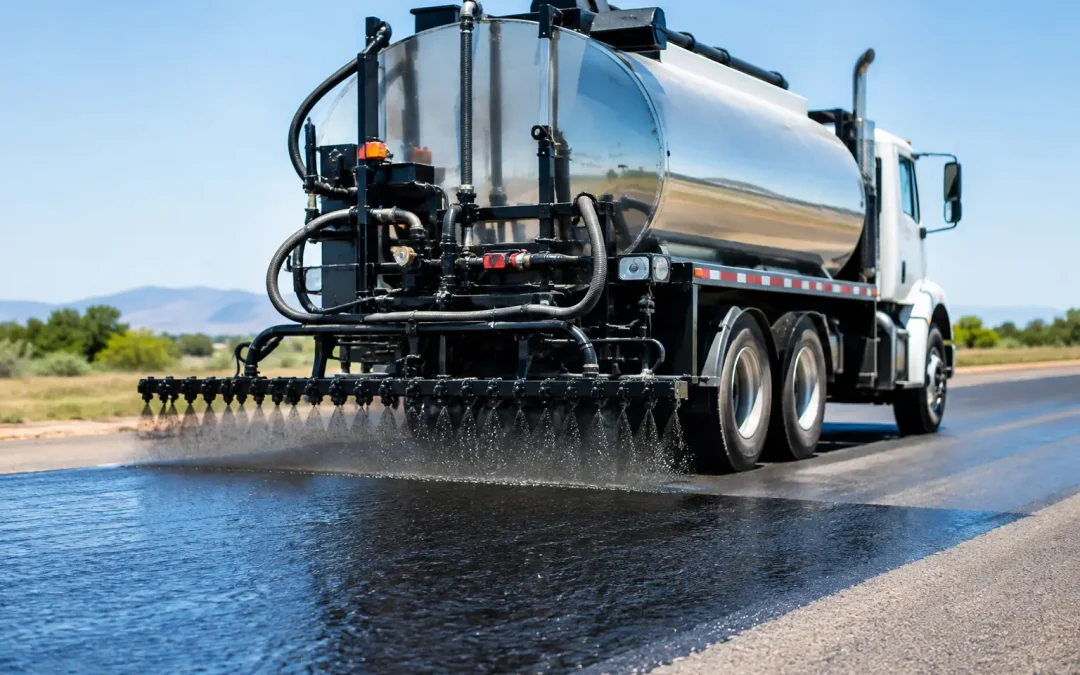
A spray bar that leaves thin stripes, a hose that cools before the operator reaches the repair area, or a pump that surges at low output can turn a straightforward sealing job into rework. A high temperature asphalt sprayer is not simply a heated tank with a spray gun. It is a temperature-managed fluid delivery system, and its performance depends on how consistently it keeps asphalt material moving from storage to the work surface.
For contractors, municipal maintenance teams, and equipment builders, the right specification protects material quality, operator productivity, and finish consistency. The wrong one may still spray on a warm, easy day. Problems appear when work includes long hose runs, intermittent use, heavier emulsions, narrow crack-sealing areas, or cold ambient conditions.
Start With the Material, Not the Tank Size
The first decision is the material being applied. Asphalt emulsions, cutbacks, tack coats, and hot asphalt products do not behave alike. Their required application temperatures, viscosity ranges, residue characteristics, and cleanup requirements can differ substantially. A system designed around one material may not deliver predictable results with another.
Ask the material supplier for the recommended application-temperature range and viscosity information. Those two values affect nearly every equipment choice: heater capacity, pump style, hose configuration, nozzle selection, pressure range, and recirculation requirements. Do not select a sprayer based only on gallons per tank. A large tank adds capacity, but it also adds heat-up time and raises the consequences of poor temperature control.
For a unit that will support several products, specify compatible seals, hoses, and valve materials across the full temperature range. Petroleum-based materials can affect elastomers differently than water-based emulsions. Material compatibility is especially critical in pumps, spray-gun seals, gaskets, and quick-connect fittings, where a small failure can create a costly cleanup and downtime event.
Heat Control Determines Spray Quality
A high temperature asphalt sprayer must add heat evenly, hold a controlled setpoint, and avoid localized overheating. Heat is necessary for workable viscosity, but excessive temperature can damage certain asphalt materials, accelerate residue formation, and create preventable safety risk.
Indirect heating generally gives operators more control than placing a direct flame against a tank surface. Whether the system uses a burner, thermal-oil arrangement, electric heating, or another method, evaluate how heat reaches the product and how temperature is measured. A single sensor in one tank location may not represent the temperature at the pump inlet or gun after the unit has been sitting idle.
Look for a clear temperature readout, dependable setpoint control, and over-temperature protection. Insulated tanks and heated plumbing are not cosmetic upgrades. They reduce heat loss, shorten recovery after pauses, and help keep viscosity stable as material reaches the nozzle. This matters most during cool-weather work, on mobile rigs, and in applications where the gun operates far from the tank.
Why hose heat is often the limiting factor
A properly heated tank cannot compensate for an unheated or undersized delivery hose. As material moves through a long hose, it loses heat to the environment. Viscosity increases, pressure rises, and the pattern becomes uneven. Operators may respond by turning up pump pressure, which can produce overspray rather than solving the root cause.
Match hose inside diameter and heating capability to the material viscosity, required flow, and planned hose length. Keep the routing practical and protected from abrasion, kinking, vehicle traffic, and sharp bends. For mobile equipment, check that the hose remains flexible within its operating-temperature range and that electrical heating connections are secured against vibration and moisture.
Select the Pump for Stable Flow, Not Peak Pressure
Pressure alone does not define application control. The pump must provide stable, repeatable flow at the low and midrange outputs where many patching and coating jobs are performed. Pulsation can show up as a visibly inconsistent fan pattern or alternating heavy and light bands on the pavement.
Positive-displacement pumps are common for viscous asphalt products because they can move material predictably when sized correctly. However, pump selection still depends on the material, temperature, solids content, allowable shear, and required output. A pump that is oversized for the application may make low-flow control difficult. An undersized pump can struggle during startup, demand excessive pressure, and run hot.
Include a recirculation path when the application involves pauses or changing flow requirements. Recirculation keeps material moving through the system, helps maintain uniform temperature, and reduces the chance of material settling or cooling inside dead legs. It also gives the operator a controlled way to bring the system to a stable operating condition before opening the spray gun.
Pressure relief protection is mandatory. Asphalt delivery systems can develop high pressure quickly when a valve closes, a nozzle plugs, or cooled material restricts a line. The relief circuit should return material safely to the tank and be sized for the pump output. It should not be treated as an occasional operational control.
Configure the High Temperature Asphalt Sprayer Around the Job
The most useful specification starts with how the crew works, not with a generic product label. A compact hand-spray unit for localized maintenance needs different capacity and hose reach than a truck-mounted system applying tack coat across a broad lane. Determine the normal job first, then define the reasonable maximum job the equipment must handle.
For localized repairs, controllability, maneuverability, and quick warm-up may matter more than tank volume. For larger pavement work, output consistency, spray-bar coverage, and refill logistics become more important. If the unit will be integrated into an OEM vehicle or trailer package, account for available power, mounting structure, weight distribution, control location, and service access early in the design.
A productive configuration usually addresses these operating points:
- Required gallons per minute at the nozzle or spray bar
- Typical and maximum hose length
- Operating and ambient temperature range
- Material changeover and cleaning procedure
- Available fuel, electrical power, or hydraulic power
- Required pattern width and application rate
These inputs prevent common purchasing mistakes, such as adding hose length after the fact without increasing heating capacity, or selecting a high-output pump for a precision hand-gun application.
Nozzles and guns control the finish
Nozzle size, spray angle, and pattern geometry should match the material and target coverage. A wide fan can improve coverage on open surfaces, while a narrower pattern gives better control around edges and repairs. Excessive pressure can atomize material poorly or create bounce and overspray. Too little pressure can produce tails, heavy edges, or an incomplete fan.
Keep spare nozzles and seals on hand, but do not use nozzle changes to compensate for a temperature or viscosity problem. When a pattern changes during the day, verify actual material temperature, hose condition, filter cleanliness, and pump pressure before changing the tip. A worn or partially plugged nozzle is only one possible cause.
Troubleshoot the Failures That Slow Crews Down
Most field issues fall into a few predictable categories. Material that will not spray at normal pressure usually points to low temperature, a restricted line, a closed or mispositioned valve, contaminated filtration, or a pump inlet issue. Verify those conditions in that order before increasing pressure.
If pressure fluctuates while flow changes, inspect the suction side first. Air leaks, a collapsing inlet hose, a clogged strainer, or material that is too cool can cause pump starvation. Correcting the suction condition is more effective than adjusting the relief valve or increasing engine speed.
If the spray gun clogs repeatedly, review shutdown practice. Asphalt residue hardens in nozzles, gun passages, and exposed hose ends when crews stop without purging or circulating as required by the material process. Establish a documented end-of-shift sequence for recirculation, cleaning, depressurizing, and protecting heated components. The exact process depends on the material and equipment design, so follow supplier instructions rather than assuming one method fits every product.
Temperature drift is another frequent source of inconsistent results. Compare the displayed tank temperature with a verified measurement at the point of use. If the tank is on target but the material at the gun is cool, the issue is heat loss or insufficient warm-up through the delivery path. If tank temperature itself cycles widely, inspect sensor placement, controller settings, heating output, insulation, and recirculation flow.
Build Safety Into the Specification
Hot asphalt systems combine elevated temperatures, pressurized fluid, combustion or electrical heating, and mobile work conditions. Guard hot surfaces where practical, shield hoses from damage, and locate controls where operators can access them without reaching across hot equipment. Clearly marked shutoffs, emergency stop capability, pressure indication, and safe venting arrangements support faster response when conditions change.
Service access matters as much as initial performance. Filters, strainers, burner components, pump connections, sensors, and hose fittings should be reachable for routine inspection. Equipment that is difficult to clean or service is more likely to stay in operation with marginal performance until a preventable failure stops the job.
For factory-direct sourcing, VidoAir can support buyers who need a standard asphalt sprayer configuration or a solution aligned to a specific hose, control, and mobile-equipment requirement. Provide the material type, target temperature, flow range, work environment, and installation constraints at the start of the conversation. Those details turn a catalog selection into equipment that performs predictably when the crew is waiting on it.
The best sprayer is the one that maintains material condition all the way to the pavement, gives the operator controlled output, and remains straightforward to inspect after a long shift. Specify for that full operating cycle, not just for the moment material first leaves the tank.