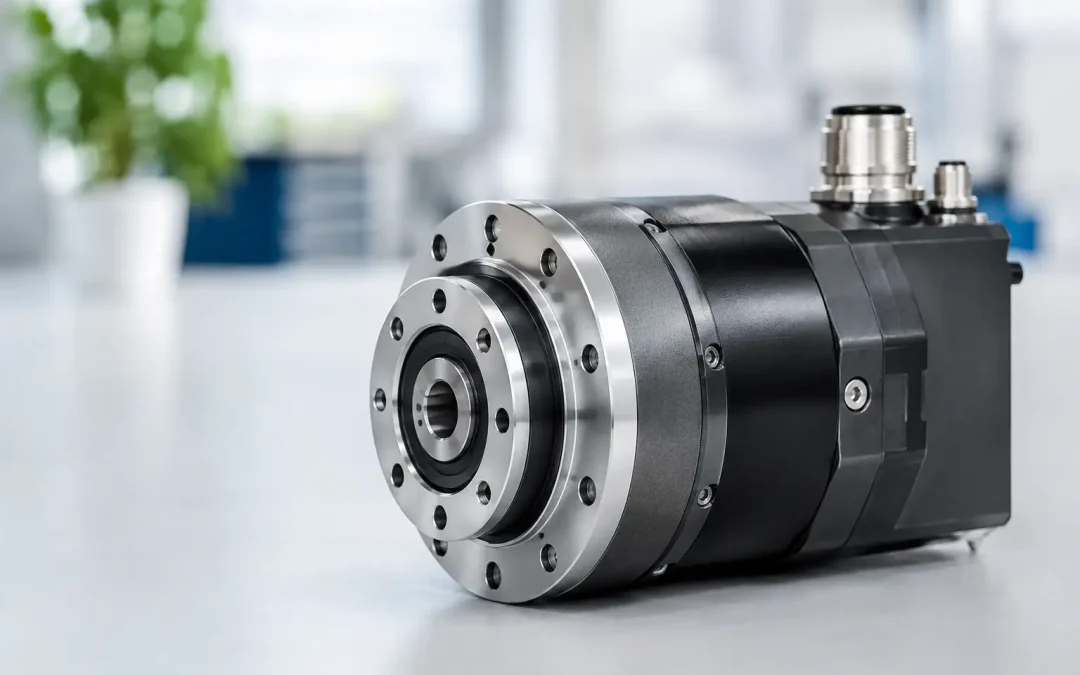
by | Nov 9, 2026 | Pneumatic Power
A rotary actuator can look correctly sized on a machine layout and still become the source of missed indexes, weak clamp positions, and inconsistent cycle times. The usual cause is not a defective component. It is a specification that focused on nominal torque while...
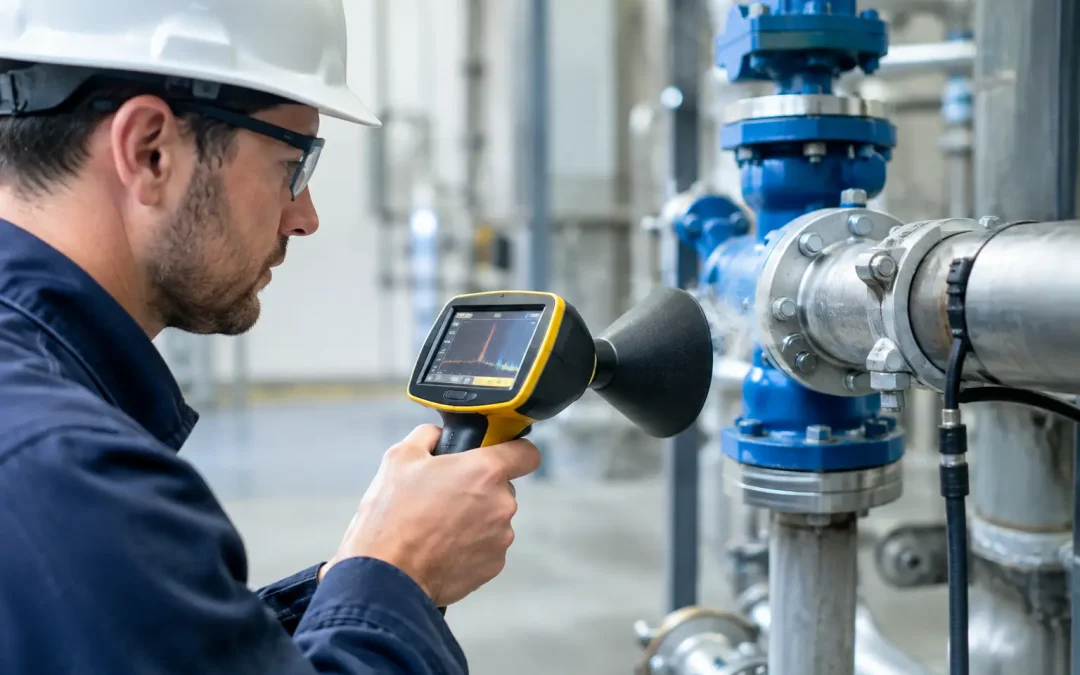
by | Nov 7, 2026 | Pneumatic Power
A hiss near a machine is easy to dismiss when production is moving. Across a plant, however, small losses at fittings, valve manifolds, tubing runs, and cylinder connections force compressors to run longer, reduce available pressure, and make cycle performance less...

by | Nov 5, 2026 | Pneumatic Power
A PLC cabinet that was isolated five years ago may now exchange data with an HMI, historian, remote support platform, vision system, and enterprise network. That connection improves visibility and troubleshooting speed, but it also changes the failure modes engineers...

by | Nov 3, 2026 | Pneumatic Power
A production line that still runs on an aging PLC may look stable right up to the moment a failed processor, discontinued I/O card, or unavailable programming cable turns a minor fault into days of lost output. This PLC migration project example follows a practical...
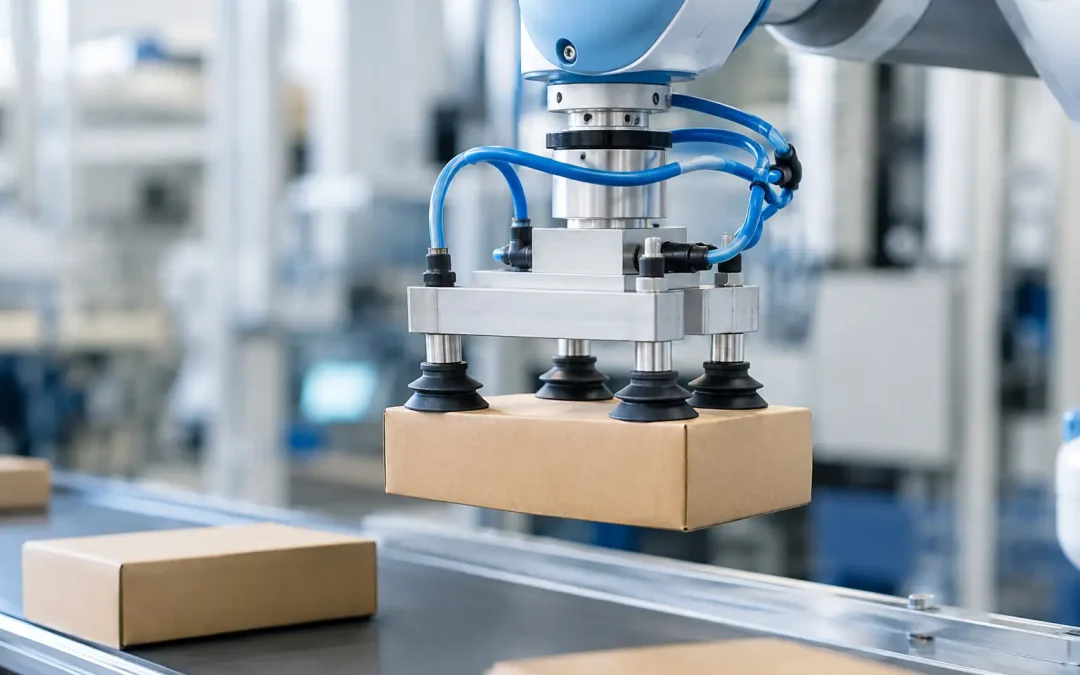
by | Nov 1, 2026 | Pneumatic Power
A vacuum cup that releases a part halfway through a robot transfer rarely fails without warning. More often, the system has been losing margin for weeks through small leaks, poor cup contact, restricted flow, or a vacuum source sized only for ideal conditions....

by | Oct 30, 2026 | Pneumatic Power
A pneumatic system can hold pressure and still be unfit for production. Water vapor condenses downstream as temperature changes, carrying corrosion, washout, sticking valves, damaged seals, and inconsistent process results into places where compressed air is expected...
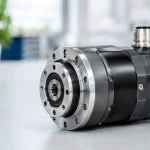 Select rotary actuators that hold torque, hit repeatable angles, and stay reliable in demanding pneumatic automation, indexing, and clamping systems daily.
 Pneumatic leak detection methods that cut air loss, protect cycle performance, and help maintenance teams prioritize repairs by verified system impact.
 Industrial PLC cybersecurity trends are reshaping plant design. Learn where risks are growing and how to protect uptime without slowing production at scale.
 See a PLC migration project example that protects uptime, validates field devices, and modernizes pneumatic control without adding production risk safely.
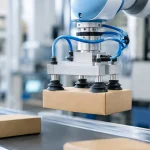 Vacuum loss prevention protects cycle time, part handling, and uptime. Learn now how to find leaks, size circuits, and design reliable vacuum systems.
 Make air dryer selection based on dew point, flow, pressure, ambient heat, and contaminants to protect pneumatic equipment, product quality, and uptime.
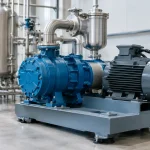 A vacuum pump performance review helps engineers verify flow, ultimate vacuum, energy use, and reliability before downtime affects production output at scale
 Industrial air filtration protects pneumatic systems from moisture, oil, and particles, reducing failures, air waste, and costly production downtime risk.