In the demanding landscape of industrial automation, the difference between peak efficiency and costly downtime often rests on a single point of motion. For many engineers, the frustration of premature component failure in harsh environments is compounded by the struggle to integrate complex systems and the unnecessary markups of middleman distributors. Selecting the right linear actuator is no longer just a procurement task; it is a critical engineering decision that impacts the entire lifecycle of your machinery. At VidoAir™, we understand that powering success requires more than just parts-it requires robust, meticulously engineered solutions delivered with technical proficiency.
This comprehensive guide is designed to help you master the technical nuances of linear motion and navigate the evolving industrial requirements of 2026. You will gain the expertise to identify the correct actuator type for your specific stroke and load parameters, significantly reducing long-term maintenance costs and operational friction. By moving toward a factory-direct model, you can bypass the complexities of traditional supply chains and secure high-performance components that offer unmatched value. Prepare to elevate your automation standards with precision engineering and a relentless pursuit of excellence.
Key Takeaways
- Understand how internal drive mechanisms like ball screws and belts dictate precision and performance in modern automated environments.
- Analyze the strategic trade-offs between electric and pneumatic systems to balance initial investment with long-term total cost of ownership.
- Implement a professional engineering framework to select the optimal linear actuator by calculating load capacities and mounting constraints.
- Discover the advantages of the VidoAir™ Factory Direct model for securing custom-configured, high-performance components at unmatched value.
Understanding Linear Actuators: The Foundation of Industrial Automation
At its core, a linear actuator is a sophisticated mechanical device engineered to convert energy-whether electrical, pneumatic, or hydraulic-into controlled, straight-line motion. As we navigate the 2026 smart factory landscape, these components have evolved into the essential “muscles” of the production floor. The industry has seen a decisive transition from manual labor to high-precision automated motion, where VidoAir™ solutions provide the robust force necessary to move the world forward. Whether utilizing a pneumatic cylinder for rapid actuation or an electric drive for digital synchronization, the goal remains the same: powering success through reliable, meticulously engineered performance.
How Linear Motion Drives System Efficiency
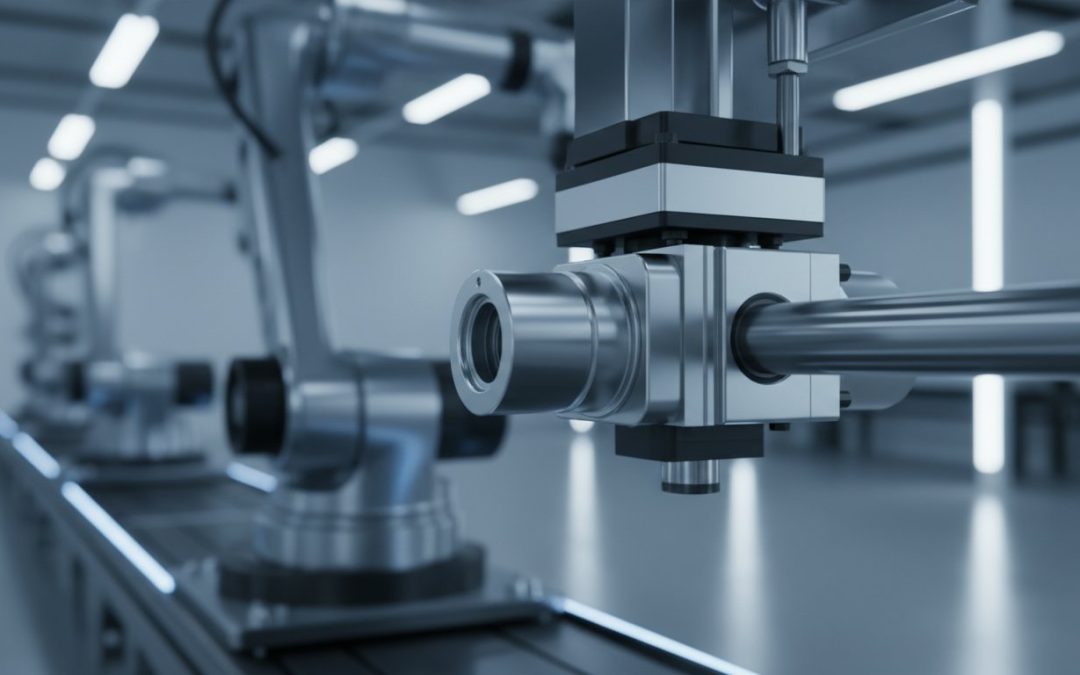
In high-throughput manufacturing, repeatable precision is the metric that defines profitability. A high-performance linear actuator reduces human error in complex pick-and-place and sorting operations, ensuring that every cycle is executed with identical force and positioning. This level of consistency is vital for maintaining tight tolerances in automated assembly environments. Within the context of industrial End-of-Arm Tooling (EOAT), linear motion is the translation of energy into single-axis displacement to facilitate the physical manipulation and transport of workpieces. By integrating these precision components, facilities can significantly increase throughput while minimizing energy consumption and operating costs.
The Anatomy of a High-Performance Actuator
To deliver unmatched value, the internal architecture of a VidoAir™ actuator is built for durability and responsiveness. Understanding the core components is critical for proper selection and system longevity:
- The Power Source: The motor or pressure inlet that initiates the movement, typically categorized as electrical, pneumatic, or hydraulic.
- The Drive Mechanism: The internal gears, lead screws, or pistons that translate energy into linear force.
- The Output Rod: The moving element that extends and retracts to interact with the load.
- Housing Materials: Premium materials like stainless steel or reinforced polycarbonate protect internal components from harsh industrial contaminants.
- Internal Sensors: Cutting-edge feedback sensors provide real-time position data, enabling the linear actuator to communicate seamlessly with the central control system for “perceptive engineering” accuracy.
This combination of robust materials and smart feedback loops ensures that each unit delivers the factory-direct reliability and technical proficiency required for modern automation.
The Mechanics of Motion: Comparing Actuator Technologies
Selecting the ideal linear actuator requires a deep understanding of the physics driving the motion. A common misconception in the automation industry is that all actuators are interchangeable across different sectors. In reality, the internal drive mechanism-whether it utilizes electromagnetic force or fluid power-dictates the unit’s precision, load capacity, and operational lifespan. VidoAir™ emphasizes that matching the mechanical design to the specific demands of the environment is the only way to ensure “POWERING SUCCESS” in long-term operations.
Electromechanical and Motor-Driven Actuators
Electromechanical actuators rely on stepper or servo motors to convert rotational energy into linear thrust. Stepper motors are excellent for cost-effective, repeatable positioning, while servo motors provide high-resolution feedback for dynamic, high-speed applications. The internal drive usually consists of either a lead screw or a ball screw:
- Lead Screws: Utilize sliding friction; best for quiet, low-duty, or vertical applications where self-locking is required.
- Ball Screws: Feature recirculating ball bearings to minimize friction, offering superior efficiency and high-duty cycle capabilities.
For complex industrial applications of linear actuators, ball screw designs are often non-negotiable due to their ability to handle continuous loads without excessive heat buildup.
Pneumatic Actuators: Power through Compressed Air
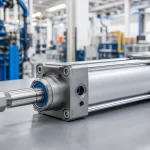
Pneumatic actuators offer a robust and high-performance alternative by utilizing compressed air to drive a piston. These systems are celebrated for their simplicity and rapid actuation speeds. Because they do not rely on sensitive electronic components at the point of motion, they are inherently safe for use in explosive or wash-down environments where electrical sparks pose a significant risk. This makes a pneumatic linear actuator the preferred choice for heavy-duty manufacturing and hazardous material handling. For deeper technical specifications and performance metrics, refer to our Pneumatic Actuators: The Definitive Guide.
When analyzing longevity, the duty cycle is the primary metric. While electromechanical designs are limited by the thermal constraints of their motors and the wear of their screws, pneumatic systems can often operate at a 100% duty cycle, provided the air preparation system is meticulously maintained. Choosing the right technology ensures your automation remains efficient, minimizing both energy consumption and total operating costs.
Electric vs. Pneumatic Linear Actuators: A Strategic Comparison
Selecting the optimal linear actuator requires a strategic analysis of both upfront investment and long-term operational demands. While electric systems often carry a higher initial purchase price due to integrated motors and sophisticated controllers, pneumatic solutions offer a significantly lower entry cost. However, the Total Cost of Ownership (TCO) shifts based on scale; pneumatics are exceptionally cost-effective for high-force applications, whereas electric units can offer energy savings in low-cycle, precision-heavy environments.
Force density remains a primary differentiator. Pneumatic cylinders deliver immense thrust within a compact footprint, outperforming electric alternatives in small form factors where space is at a premium. Maintenance also follows distinct paths:
- Electric: Focuses on precision lubrication of lead screws and monitoring electronic components for heat-related wear.
- Pneumatic: Centered on simple, cost-effective seal replacements and maintaining air quality through filtration.
A common objection in modern robotics is whether pneumatic motion can match the precision of electric drives. While electrics excel at multi-stop positioning, VidoAir™ pneumatic systems-when paired with high-quality sensors and advanced control logic-provide the repeatable, high-speed accuracy necessary for the majority of industrial automation tasks.
When to Prioritize Electric Precision
Electric actuators are the premier choice for applications requiring sub-millimeter accuracy and complex, multi-point motion profiles. Their closed-loop feedback systems make them ideal for intricate assembly. Furthermore, they are preferred in cleanroom environments where air exhaust must be eliminated. However, engineers must account for duty cycle limitations, as continuous operation can lead to heat dissipation issues in the motor housing.
The Robust Advantages of VidoAir™ Pneumatic Solutions
VidoAir™ pneumatic solutions provide unmatched resilience in harsh industrial sectors. These systems are meticulously engineered to withstand dust, moisture, and extreme temperature fluctuations that would compromise sensitive electronic components. For high-force scaling, a pneumatic linear actuator remains the most economical choice. By integrating these robust components with high-performance Solenoid Valves, facilities achieve rapid cycling and dependable control, ensuring maximum throughput and “Powering Success” across the production floor.
Sizing and Selection: A Professional Engineering Framework
Selecting the correct linear actuator requires a methodical approach to ensure system longevity and operational efficiency. At VidoAir™, we advocate for a precision-first methodology that balances mechanical requirements with environmental realities. To achieve “POWERING SUCCESS” in your facility, follow this four-step engineering framework:
- Step 1: Calculate the total load, accounting for static, dynamic, and axial forces.
- Step 2: Determine the required stroke length and identify any physical mounting constraints within the machine envelope.
- Step 3: Define the required speed and cycle time to meet production throughput targets.
- Step 4: Evaluate environmental stressors, specifically focusing on IP ratings and potential chemical exposure.
Calculating Axial Load and Force Requirements
For pneumatic systems, calculating the required force is a matter of precision. Use the simplified formula: Force (F) = Pressure (P) × Area (A). To ensure industrial reliability and account for friction or pressure fluctuations, engineers should apply a safety factor of 1.5x to 2x the calculated load. It is critical to note that oversizing a linear actuator is as detrimental as undersizing; while undersizing leads to premature mechanical failure, oversizing introduces unnecessary energy consumption, increased footprint, and excessive capital costs.
Environmental Protection and Durability Standards
The operating environment dictates the material composition and sealing requirements of your components. For outdoor or washdown environments, IP66 and IP67 ratings are essential to prevent ingress from high-pressure water jets or temporary immersion. In food and pharmaceutical applications, choosing corrosion-resistant materials like stainless steel is mandatory to withstand aggressive cleaning agents. VidoAir™ ensures durability through meticulous engineering and premium materials, providing robust solutions that thrive in the most demanding conditions. Our factory-direct model ensures you receive cutting-edge technology designed for “POWERING SUCCESS” without the markup of intermediaries.
For detailed technical specifications and to explore our vast inventory of ready-to-ship solutions, visit vidoair.com or contact our dedicated technical support team for custom-configured components.
VidoAir™ Factory Direct: High-Performance Actuators for OEMs
VidoAir™ redefines the industrial procurement process through our Factory Direct model. By eliminating unnecessary intermediaries, we provide high-performance pneumatic components with a best-cost pricing guarantee. Our focus is on delivering unmatched value through custom-configured, made-to-order components that meet the exact specifications of your machinery. We facilitate a seamless supply chain with door-to-door global shipping and a commitment to transparent partnership, ensuring your linear actuator arrives on time and ready for integration.
Custom Solutions for Complex Automation
Modern automation demands more than “off-the-shelf” components. For example, specialized packaging lines frequently require custom stroke lengths to optimize machine footprints and cycle times. VidoAir™ provides comprehensive integration support for end-of-arm tooling (EOAT) and our innovative Soft Fingers grippers, redefining how robots interact with delicate objects. From the initial prototype phase to full-scale production, we support OEMs with engineering expertise to ensure every component contributes to POWERING SUCCESS.
The VidoAir™ Guarantee: Precision and Reliability
Reliability is the cornerstone of our “Perceptive Engineering” philosophy. We recognize that in high-output environments, efficiency and durability are paramount. Every linear actuator we ship is meticulously engineered to minimize energy consumption while maximizing performance. To ensure your operations remain robust, we offer:
- A comprehensive one-year warranty on all pneumatic solutions.
- A dedicated technical support team ready to assist with complex integrations.
- Premium, cutting-edge materials designed for long-term industrial use.
We invite you to view our full product catalog at vidoair.com to discover tailored solutions for your specific automation challenges. Our team is ready to move your project forward with precision and speed.
Powering Success with Precision Linear Motion
As industrial automation evolves toward 2026, selecting the right linear actuator requires a deep understanding of mechanical technologies and a strategic comparison between electric and pneumatic systems. By applying a professional engineering framework to sizing and selection, OEMs can ensure maximum efficiency and long-term reliability in their automated workflows. Integrating advanced motion technology is the foundation of modern manufacturing, where precision engineering meets operational excellence to drive the next generation of productivity.
VidoAir™ is committed to providing these high-performance solutions through a transparent partnership model. Our components are meticulously engineered for 24/7 industrial use, ensuring your operations maintain peak performance without compromise. We support your growth with our Factory Direct Pricing Guarantee and provide seamless logistics through global door-to-door shipping. Take the next step in optimizing your automation infrastructure with a partner dedicated to your technical and commercial success.
Browse VidoAir™ Factory Direct Linear Actuators
Partner with VidoAir™ today to move your world forward with unmatched precision and power.
Frequently Asked Questions
What is the difference between a linear actuator and a rotary actuator?
A linear actuator converts energy into straight-line motion, making it ideal for applications that require pushing, pulling, or lifting loads. In contrast, a rotary actuator produces circular motion, typically measured in degrees or continuous rotation. While rotary units power wheels or mechanical joints, a linear actuator is the preferred choice for industrial tasks requiring precise, telescopic movement, such as opening heavy valves or positioning workpieces on a conveyor.
How much force can a pneumatic linear actuator exert compared to an electric one?
Pneumatic actuators generally exert higher force relative to their physical size, often reaching pressures of 100 PSI or more to move heavy industrial loads. While electric versions offer superior precision and positioning, a pneumatic linear actuator leverages compressed air to deliver high-speed, high-force output at a lower initial cost. This makes them exceptionally efficient for heavy-duty clamping, pressing, and stamping tasks where rapid force application is critical for success.
Can I control the speed of a linear actuator after installation?
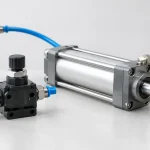
Yes, speed control is achievable and often necessary for system optimization. For pneumatic systems, installing flow control valves allows you to regulate the exhaust air, effectively throttling the piston speed during extension or retraction. In electric systems, speed is managed through pulse-width modulation (PWM) or by varying the voltage via a motor controller. These adjustments ensure the actuator operates within the specific cycle time requirements of your automated production sequence.
What maintenance is required for an industrial linear actuator?
Routine maintenance for an industrial linear actuator involves inspecting seals for wear, ensuring the piston rod remains free of debris, and verifying lubrication levels. For pneumatic models, checking the air filtration system is vital to prevent internal contamination and moisture buildup. Regular inspections help maintain peak efficiency, prevent unexpected downtime, and extend the service life of your high-performance automation components in demanding, high-cycle factory environments.
What happens if a linear actuator is overloaded?
Overloading a linear actuator can lead to immediate mechanical failure, such as bent rods, stripped gears, or internal seal leakage. In electric models, excessive resistance often causes the motor to overheat or trip a safety circuit breaker. Pneumatic units may simply stall or bypass air internally. To prevent these issues and ensure reliability, always select a model with a load capacity that exceeds your maximum calculated force by a safety margin of at least 20%.
How do I choose the right IP rating for a wet or dusty environment?
For dusty environments, an IP65 rating ensures the unit is completely dust-tight. If the actuator faces water splashes or frequent washdown procedures, an IP66 or IP67 rating is required to prevent moisture ingress. These meticulously engineered enclosures protect internal components from corrosion and electrical shorts, ensuring reliable performance in harsh industrial settings. Always consult technical specifications to match the IP rating to your specific environmental hazards and operational requirements.
Are VidoAir™ actuators compatible with standard PLC control systems?
Absolutely. VidoAir™ actuators are designed for seamless integration with standard PLC control systems used in modern automation. Our solenoids and sensors utilize industry-standard voltages, such as 24V DC, and common communication protocols. This compatibility ensures that our high-performance pneumatic solutions can be easily incorporated into your existing architecture, allowing for precise sequencing, reliable feedback, and total control within your automated loop for maximum operational efficiency.
Does VidoAir™ offer volume discounts for OEM manufacturers?
Yes, VidoAir™ specializes in supporting OEM manufacturers with competitive volume-based pricing. By leveraging our factory-direct model, we provide a best-cost pricing guarantee that delivers unmatched value for large-scale production runs. Our team provides dedicated technical support to help OEMs specify custom-configured components, ensuring that your high-volume projects benefit from both premium engineering and significant cost savings. We are committed to a transparent partnership that powers your long-term success.