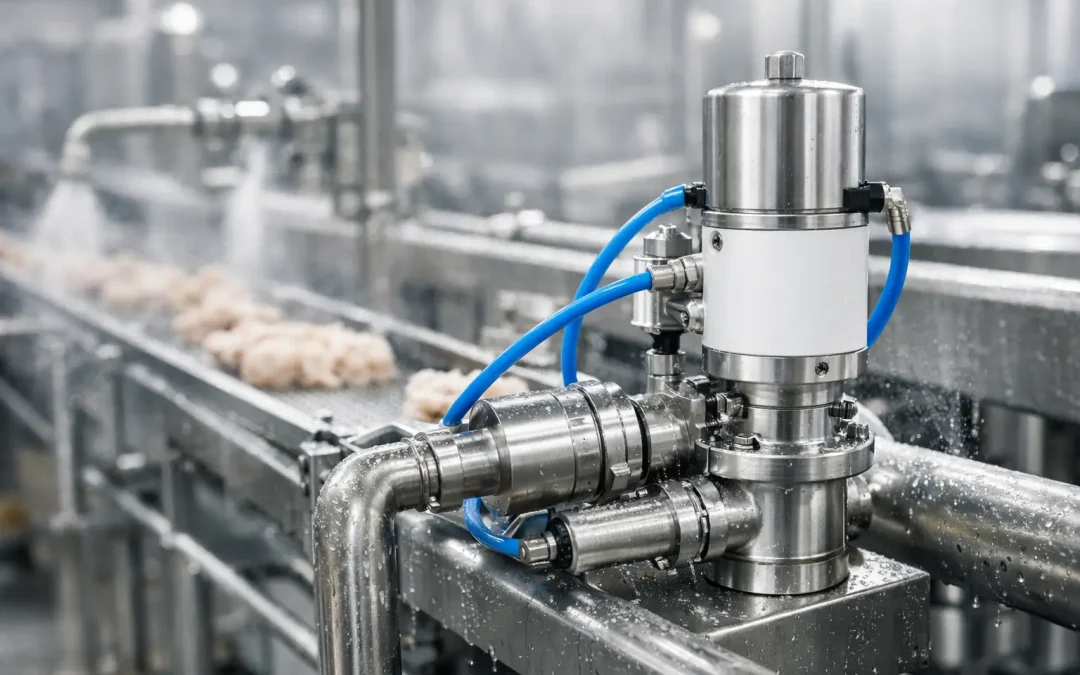
A pneumatic circuit can meet cycle-time targets for months, then become a contamination concern after one aggressive washdown. Water enters a poorly protected exhaust port, a bowl cracks under chemical exposure, or lubricant migrates from an actuator near an open-product zone. Food grade pneumatic components are not simply standard air parts made from stainless steel. They must be selected around the actual contamination paths, cleaning methods, air quality, and maintenance practices present on the line.
For OEMs, integrators, and plant maintenance teams, the objective is clear: maintain precise pneumatic motion without introducing materials, residues, or component failures that compromise the sanitation program. That requires a system-level specification, not a last-minute material upgrade.
Food Grade Pneumatic Components Start With Risk Zones
The phrase “food grade” is often used broadly, but its meaning changes with the application. A pneumatic actuator mounted outside a guarded conveyor presents a different risk than a cylinder operating over exposed dough, meat, dairy, or packaged product with an open seal. The right component depends on whether it can contact product directly, sit in a splash zone, or remain in a non-product area where only cleaning chemicals and humidity are concerns.
Start by mapping each pneumatic device to its location and failure mode. Ask what could happen if a seal wears, a fitting loosens, an airline ruptures, or a valve exhausts during operation. Oil mist, condensate, particulates, fragments from tubing, and chemical residue can all travel farther than expected in high-speed equipment.
Material selection matters, but it is only one part of the decision. A stainless steel body may withstand corrosion, yet still create a sanitation issue if it has recessed fasteners, difficult-to-clean crevices, or incompatible elastomers. Likewise, a polymer component may be appropriate when it resists the facility’s chemical program and is installed outside the direct washdown area. Specify the component based on the real environment rather than assuming stainless steel solves every problem.
Build the Air System From Intake to Actuator
The cleanest actuator cannot compensate for contaminated supply air. Food and beverage applications need an air treatment strategy that addresses particles, water, oil aerosols, and, where required, vapor. The appropriate compressed-air quality should be established through the facility’s hazard analysis and process requirements. ISO 8573 classifications are useful for defining contaminant limits, but a target ISO class alone does not make an air system suitable for every food application.
Air Preparation Must Match the Washdown Environment
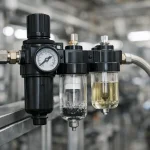
Filters, regulators, and lubricators are often mounted where they are easy to access rather than where they are protected. In washdown areas, use air preparation assemblies with corrosion-resistant construction, drain arrangements suited to the location, and bowls or housings compatible with cleaning chemicals. Stainless steel air prep devices can be a strong fit where repeated exposure to moisture and caustic washdown would shorten the life of standard units.
Filtration is a performance trade-off. Finer filtration improves downstream air quality but adds pressure drop, especially as the element loads. If a high-speed actuator begins losing force or a gripper becomes inconsistent, verify filter differential pressure before increasing the regulator setting. Oversized filtration capacity, correctly selected element grades, and a scheduled replacement interval usually deliver better results than forcing a restrictive filter to serve an entire machine.
Avoid automatic drains that discharge into areas where the fluid cannot be contained or inspected. Drain condensate safely and determine whether the collected material requires special handling. A neglected drain can turn a well-designed air system into a source of water carryover.
Valves and Exhausts Need Equal Attention
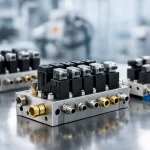
Solenoid valves are frequently specified for flow and voltage first, then evaluated for washdown protection later. That approach can create repeat failures. Confirm the enclosure rating, coil temperature range, connector sealing, and compatibility with the cleaning chemicals used on the line. For demanding applications, position valve manifolds in a protected utility zone when tubing runs and response-time requirements allow it.
Exhaust air deserves the same scrutiny as supply air. A valve can exhaust lubricant residue, fine particles, or moisture close to exposed product. Remote exhaust routing, properly sized silencers, or filtered exhaust arrangements may reduce that risk. Each option has a cost: long exhaust lines can slow actuator response, while silencers can clog and increase backpressure. Design for access so maintenance technicians can inspect and replace these parts before performance declines.
Tubing, Fittings, and Actuators Are Common Weak Points
Pneumatic tubing must tolerate cleaning agents, temperature swings, flexing, and mechanical abrasion. Select material based on the actual chemical concentration and exposure duration, not just a generic chemical-resistance chart. Tubing that becomes brittle or swells after repeated sanitation cycles can fail without warning.
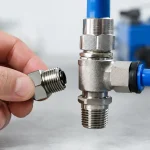
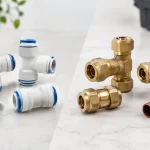
Use fittings with secure retention and geometry that can be cleaned around. In high-vibration areas, inspect tube retention and bend radius regularly. A fitting that is technically rated for pressure can still become a recurring leak point when tubing is side-loaded or pulled during changeovers.
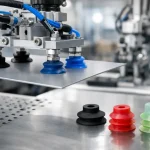
For cylinders, slide tables, and grippers near open product, examine rod seals, external lubrication, mounting hardware, and drain paths. Food-safe grease can reduce the consequence of accidental incidental contact, but it does not make every actuator appropriate for food-zone service. Preventing lubricant escape through correct sealing, orientation, and maintenance remains the better control.
Four Specification Errors That Create Repeat Problems
- Treating a washdown rating as a sanitation certification. An enclosure rating addresses water and dust intrusion. It does not confirm that all materials, lubricants, and construction details suit a food-processing risk zone.
- Installing a lubricator by default. Many modern pneumatic components are designed for non-lubricated air. Introducing oil into a system can create contamination concerns and complicate downstream maintenance.
- Combining incompatible metals and chemicals. Stainless components, plated hardware, aluminum manifolds, seals, and plastic bowls may respond differently to chlorinated, alkaline, or acidic cleaners. One weak material can limit the life of the whole assembly.
- Ignoring service access. A component buried behind guards may remain in operation long after a drain, silencer, or filter element needs attention. Sanitary design includes maintainability.
Balance Cleanability, Response Time, and Cost
A fully centralized valve bank in a protected enclosure can simplify sanitation and reduce the number of electrical devices in the washdown zone. However, long pneumatic runs may add response delay and reduce speed for fast indexing, cutting, or pick-and-place equipment. In those cases, localized valves may be necessary, but they should be chosen and mounted for the exposure level.
Similarly, stainless steel delivers strong corrosion resistance and long service life in harsh environments, but it can add upfront cost and weight. It makes the most sense where washdown exposure, chemical attack, or corrosion-related downtime justify the investment. Outside those zones, carefully selected engineered polymers and coated components may provide the better total installed cost.
Pressure is another balancing point. Raising system pressure can mask undersized cylinders, restricted filters, or excessive pressure loss, but it also increases air consumption and can accelerate wear. Before changing a regulator setting, measure pressure at the actuator during the working portion of the cycle. The data often reveals a tubing, valve-flow, or air-prep limitation that a higher supply pressure will not solve efficiently.
Commission the System Like a Sanitary Process
Commissioning should include more than leak checks and cycle tests. Run the equipment through representative washdown conditions, then inspect valve enclosures, fittings, tubing supports, exhaust devices, and air prep assemblies for water intrusion or chemical damage. Confirm that drains operate as intended and that components can be cleaned without removing critical guards or disconnecting airlines.
Document approved materials, lubricant types, filter grades, torque requirements, and replacement intervals. This makes emergency maintenance faster and prevents an otherwise suitable component from being replaced with a standard part that does not belong in the same zone. For configured pneumatic assemblies, VidoAir can help align air preparation, valves, fittings, tubing, and motion components with the operating environment before the equipment reaches the floor.
The best food-processing pneumatic systems make sanitation part of the machine design rather than a problem handed to maintenance after startup. When every component is selected around exposure, airflow, cleanability, and service access, reliable motion and contamination control can support each other shift after shift.