by james oliver | Aug 3, 2026 | Pneumatic Power
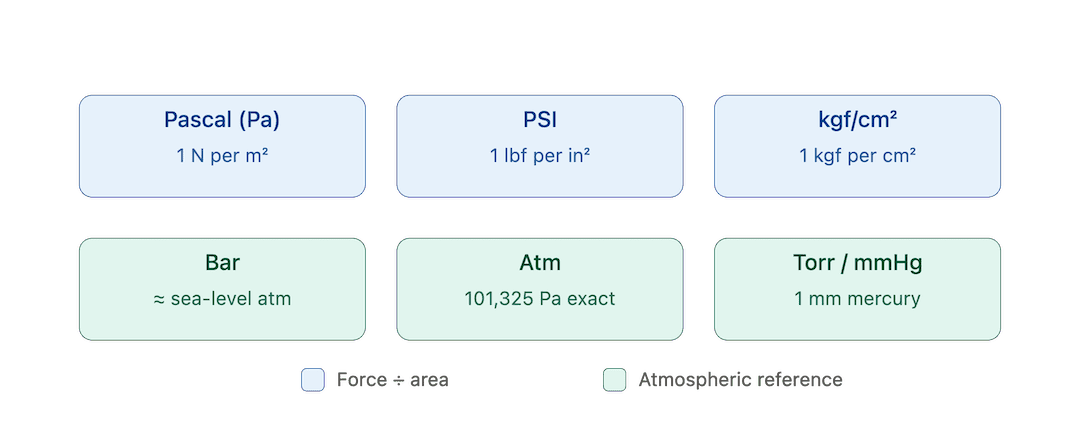
A Buyer’s Guide to Pneumatic Pressure Units and Why There Are So Many (Bar, PSI, kgf/cm², Pascals) Introduction Pull up a solenoid valve datasheet from a US supplier, an FRL unit from a Chinese factory, and a cylinder spec from a European catalog, and...
by | Aug 3, 2026 | Pneumatic Power
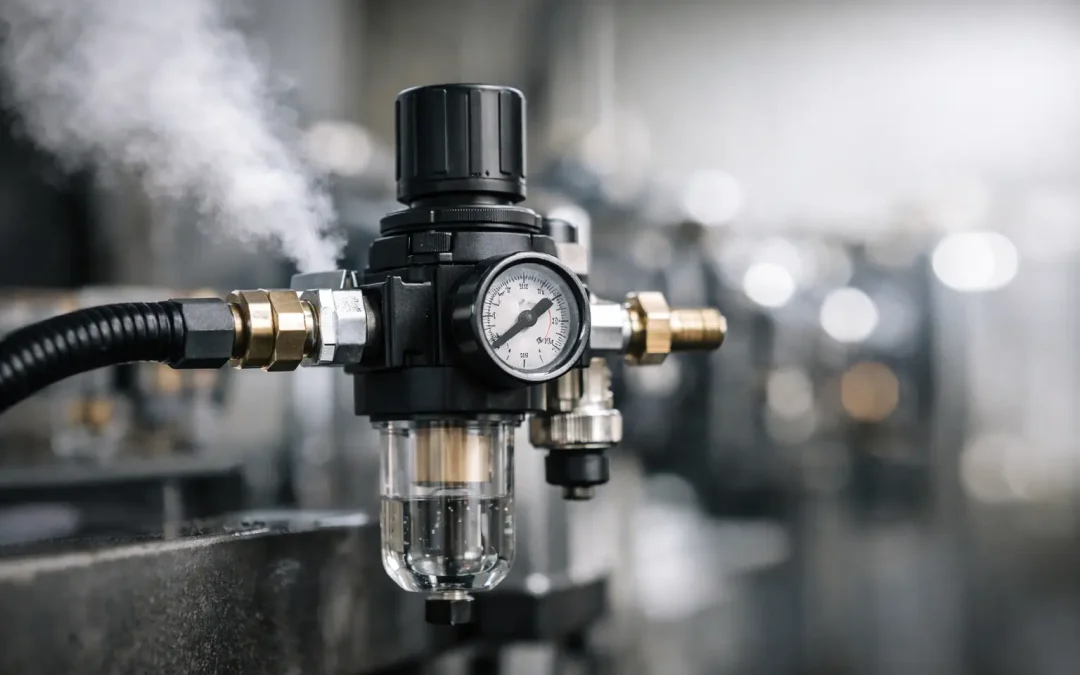
A pneumatic circuit can look properly sized on a schematic and still miss cycle targets on the floor. The usual clue is pressure that looks acceptable at idle, then drops when a cylinder strokes, a gripper closes, or several valves shift at once. In many cases, air...
by | Aug 1, 2026 | Pneumatic Power
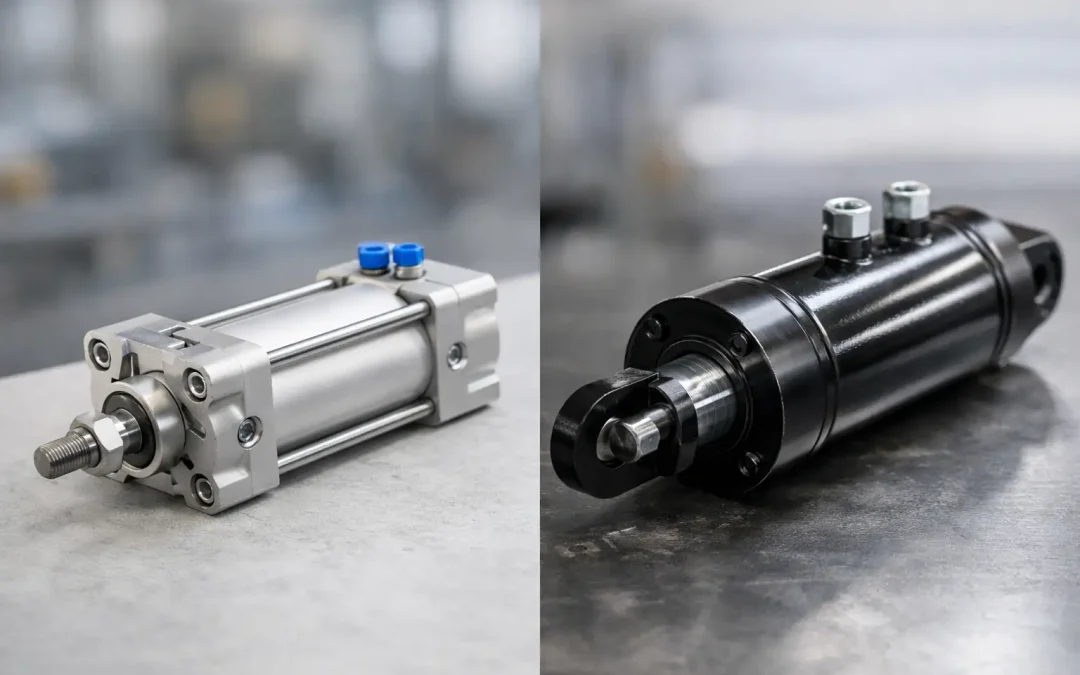
A packaging line needs thousands of fast, repeatable strokes per shift. A press fixture needs to hold a load without drifting. Both require linear motion, but specifying the same actuator for both jobs can create unnecessary cost, poor cycle performance, or a...
by | Jul 30, 2026 | Pneumatic Power
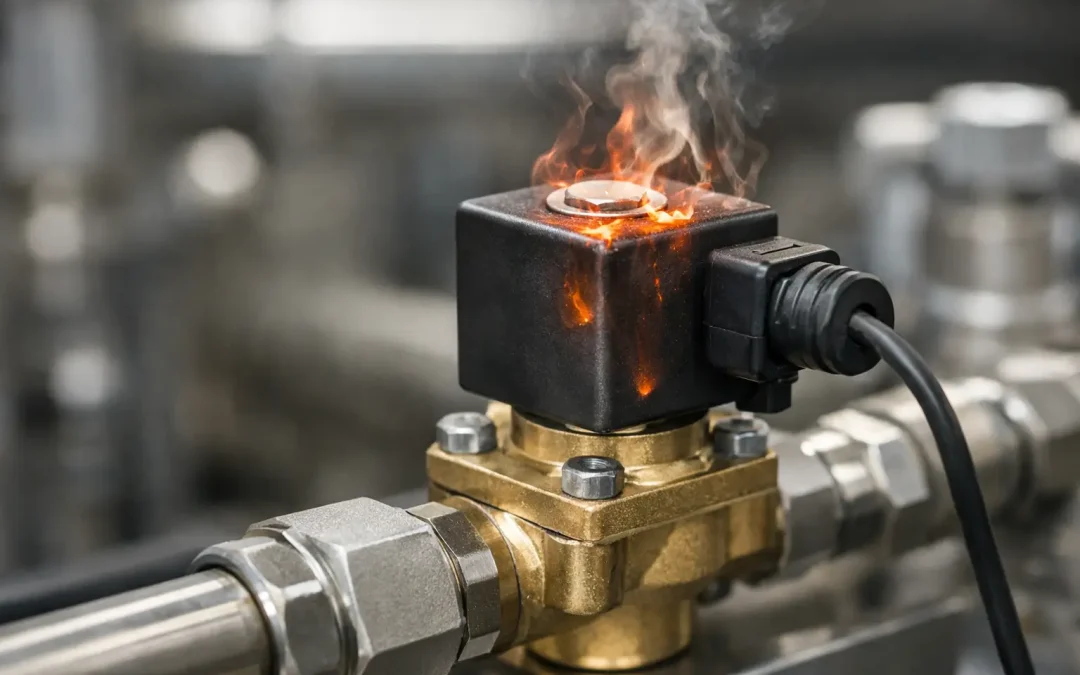
A solenoid coil that is too hot to touch can stop a production line long before it fails electrically. The challenge is that some coil heat is normal, especially on continuously energized valves. Understanding what causes solenoid valve overheating means separating...
by | Jul 28, 2026 | Pneumatic Power
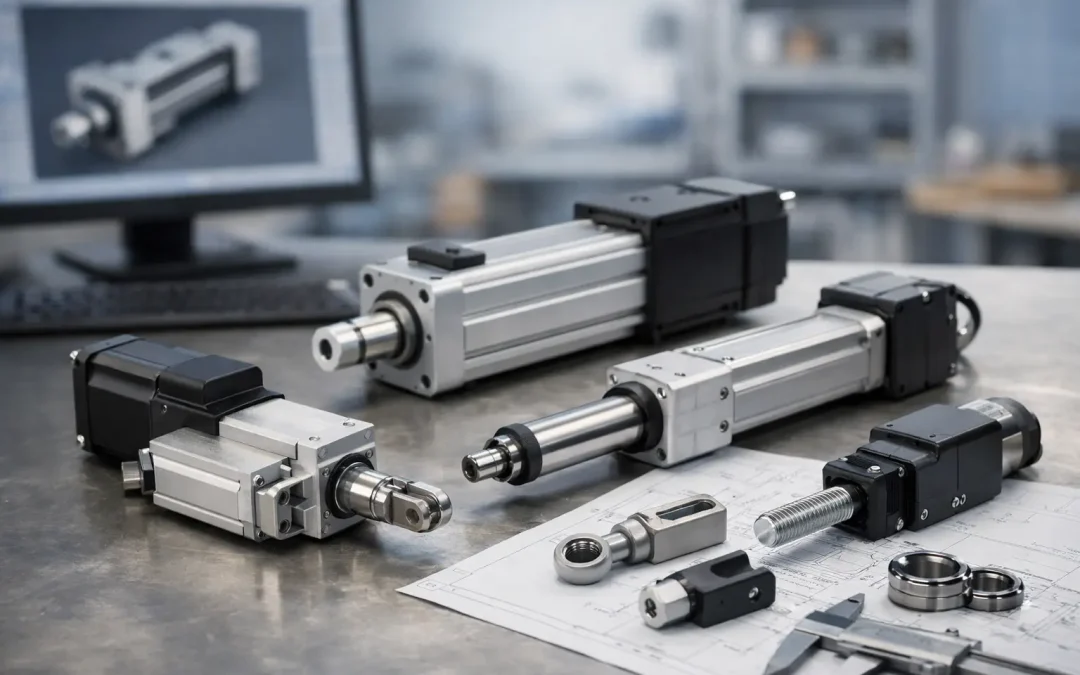
A cylinder that fits the mounting holes but misses the required stroke, speed, or end-of-travel behavior is not a successful specification. It is a future source of rework. Configured to order actuators give OEMs, integrators, and plant engineers a way to match...
by | Jul 26, 2026 | Pneumatic Power
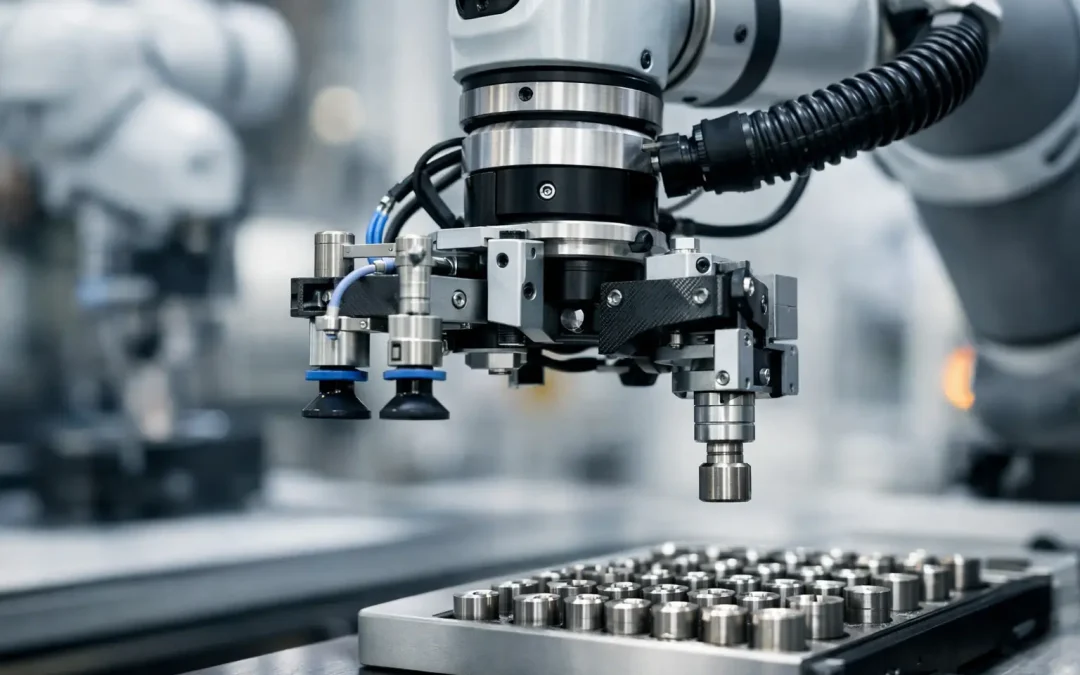
A robot cell can have accurate motion, a well-written program, and a fast cycle time on paper, then still miss its production target because the tool at the wrist is wrong for the work. The most consequential robotic end of arm tooling trends are therefore not about...
 Specify refrigeration valves with confidence. Learn how selection, installation, and diagnostics prevent compressor damage, leakage, and downtime in production today.
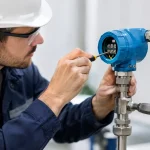 Pressure switch calibration keeps compressors, pumps, and pneumatic systems within safe operating limits, reducing nuisance trips and production downtime.
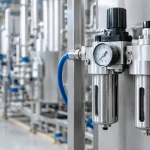 Why use stainless steel air prep? Learn where corrosion resistance, washdown durability, and air control justify the investment in pneumatic systems.
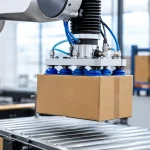 Use this vacuum handling system guide to size cups, pumps, valves, and controls for secure, fast picks with fewer drops and less compressed-air waste.
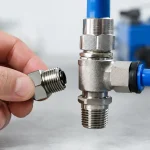 Get pneumatic fitting thread identification right with practical checks for NPT, BSP, metric, and SAE ports to prevent leaks, damage, and downtime costs.
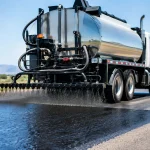 Specify a high temperature asphalt sprayer with the heat control, flow accuracy, hose capacity, and safety features needed for dependable pavement work.
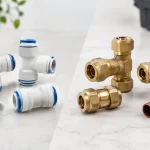 Compare push fittings vs compression fittings for pneumatic systems. See where speed, vibration resistance, serviceability, and tube choice determine fit.